
As sustainability takes centre stage in global packaging trends, kraft paper packaging has emerged as a leading solution for eco-conscious businesses and consumers alike. Derived from natural wood pulp and praised for its strength, biodegradability, and versatility, kraft paper is reshaping the way products are packaged, marketed, and experienced.
But what exactly is kraft paper packaging? Where did the term “kraft” originate, and how does it differ from regular paper materials? In this blog, we’ll explore everything you need to know—from its sustainable production process to its wide-ranging business applications.
Whether you’re new to the world of sustainable packaging or looking to upgrade your current materials, this comprehensive guide will help you understand the benefits, options, and opportunities kraft paper can bring to your packaging strategy.
What is kraft paper packaging?

Kraft paper packaging is widely recognised as an environmentally responsible and versatile solution across industries. Crafted from either pure kraft paper or composite materials, these packaging options are non-toxic, odourless, and free from pollutants—making them compliant with global environmental standards. Their high strength, durability, and low carbon footprint have made kraft paper packaging one of the most popular eco-friendly choices worldwide.
Produced using wood pulp paper, kraft paper typically comes in two primary colours: white and yellow. To enhance functionality, a polypropylene (PP) film can be added to improve waterproofing, making the packaging more resilient and protective. Depending on specific customer requirements, kraft packaging can be constructed in multiple layers—ranging from single-layer to six-layer strength—and customised with integrated printing and shaping capabilities.
By Colour
Original-colour kraft paper
White kraft paper
Red kraft paper
Flat kraft paper
Single-light kraft paper
Two-colour kraft paper
By Material
Recycled kraft paper
Kraft core paper
Kraft original paper
Rough kraft paper
Kraft wax paper
Wood pulp kraft paper
Composite kraft paper
Where did the word “kraft” come from?
Kraft paper gets its name from the kraft pulping process, which was pioneered by Carl F. Dahl in Germany during the 1880s. Traditionally, paper is made by grinding wood into pulp, but Dahl discovered that treating the cellulose pulp with sulfate chemicals significantly enhanced the strength of the paper. He called his invention Kraft paper, with “Kraft” meaning “strength” in German.
This increased strength made kraft paper ideal for use in packaging materials, which is why it is widely recognised today for its durability and resilience in kraft paper packaging.
When discussing kraft paper packaging, the topic of sustainability often comes up. Kraft packaging is a prime example of sustainable packaging. But what exactly is sustainable packaging, and what other styles exist in this category? First, let’s see what is sustainable packaging.
What is sustainable packaging?
Sustainable packaging refers to the design, development, and use of packaging that reduces environmental impact and ecological footprint throughout its entire lifecycle. This includes considerations from raw material sourcing and production, to distribution, end-of-life disposal, and potential reuse or recycling.
A key part of sustainable packaging involves applying Life Cycle Inventory (LCI) and Life Cycle Assessment (LCA) tools to evaluate environmental impact at every stage. The goal is to improve long-term sustainability while still fulfilling the packaging’s functional, economic, and marketing roles.
True sustainable packaging supports a circular economy, addressing:
Efficient material usage
Renewable or recyclable inputs
Reduced energy consumption in production
Minimal environmental harm in disposal
Encouragement of reuse or recovery
It’s important to note that sustainability is not a fixed state—it’s a process of continuous improvement. Brands and manufacturers adopting sustainable packaging practices often strive to:
Lower their carbon footprint
Use more recycled or renewable materials
Minimise single-use plastics
Collaborate with suppliers and partners on greener solutions
Unlike vague “green” marketing claims, sustainable packaging is data-driven and holistic, requiring thoughtful consideration of material selection, production methods, logistics, and post-use recovery. It reflects a serious commitment to both environmental responsibility and future viability.
How is kraft paper made?
The production of kraft paper involves a series of carefully controlled steps designed to create a strong, durable, and environmentally friendly material. Below is an overview of the key stages in the kraft paper manufacturing process:
1. Pulping
The process begins with wood chips, typically from softwood trees like pine, which are broken down into fibres. These fibres are mixed with chemicals such as sodium hydroxide and sodium sulfide in a high-pressure vessel known as a digester. This chemical treatment, known as the Kraft process, separates lignin from cellulose, resulting in a strong, fibrous pulp.
2. Bleaching (Optional)
If white or lighter-coloured kraft paper is desired, the pulp undergoes a bleaching process using agents like chlorine dioxide, hydrogen peroxide, or oxygen. This step removes remaining lignin and brightens the pulp without compromising its strength.
3. Washing
After pulping (and bleaching, if applicable), the pulp is thoroughly washed to remove any residual chemicals, ensuring the material is safe and clean for further processing.
4. Refining
The washed pulp is passed through a refining machine that mechanically treats the fibres to improve strength, bonding ability, and achieve a more uniform texture—key for high-quality kraft paper.
5. Forming
The refined pulp is spread onto a moving screen in a paper machine, where excess water drains away, and the fibres begin to interlock into a continuous sheet.
6. Drying
The wet sheet is then passed through a series of heated rollers that remove moisture and press the sheet to its final thickness and smoothness. The result is the finished kraft paper roll, ready for cutting, coating, or printing.
Is Kraft Paper Safe and Eco-Friendly?
Yes. Despite the use of chemicals in the production process, kraft paper is considered safe. The chemicals used in pulping and bleaching are either neutralised or thoroughly removed during the washing and drying stages. Moreover, kraft paper is:
Non-toxic
Biodegradable
Recyclable
Compliant with environmental regulations
Its strength, versatility, and eco-friendly properties make kraft paper a preferred choice for both consumers and sustainable brands across various industries.
Regular paper container vs kraft paper container
You might wonder, “It’s just paper—what makes kraft paper so special?”
Unlike regular paper, kraft paper is treated with sulfate chemicals, making it significantly stronger and more durable. This added strength makes it more tear-resistant and long-lasting compared to typical paper. Additionally, the porous surface of kraft paper, while not ideal for conventional printing, lends itself perfectly to special finishes like foil stamping, debossing, or embossing, which enhance its visual appeal and texture.
Different elements of sustainable packaging
Kraft
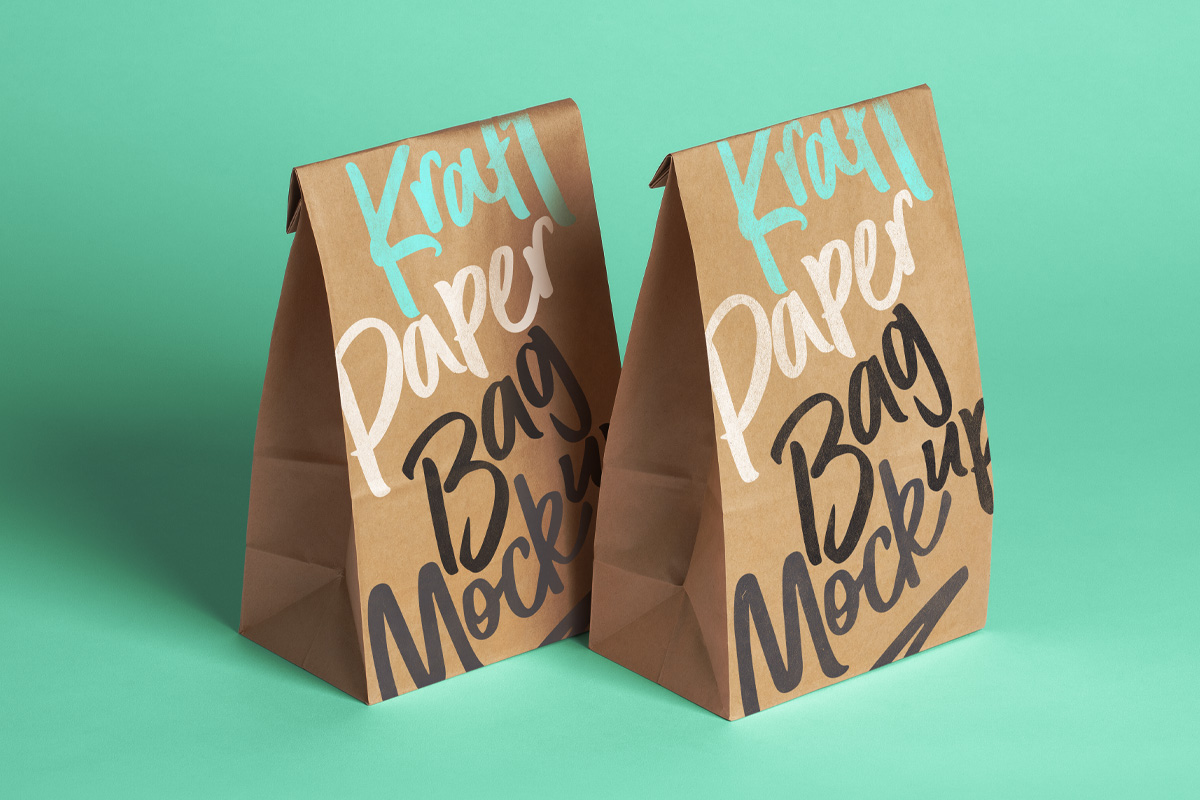
Kraft paper is 100% sustainable, and among one of the most popular packaging materials in the world. It is much more sustainable to manufacture kraft paper compared to regular paper. Kraft is produced from all-natural ingredients such as pulp from all types of wood, while regular paper uses specific woods.
Bleaching is also not involved, which maintains the strength of the paper and decreases manufacturing costs. Kraft paper is also a lightweight packaging material that helps maintain a low shipping cost.

Molded pulp
Molded pulp has become a standout material in the world of sustainable packaging, embraced by both large and small brands seeking eco-friendly alternatives to plastic and foam.Made from recycled or virgin paper fibres, molded pulp is one of the most environmentally responsible packaging solutions available today. It’s biodegradable, recyclable, and requires minimal energy to produce—making it ideal for brands aiming to reduce their carbon footprint.
Foam packaging
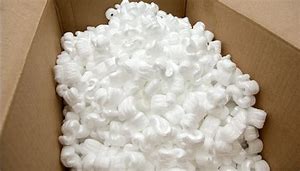
A very large part of the packaging industry is the use of foams. Packaging foams are materials used in different levels of the industry. It is used as a duo-purpose protective layer, as well as to organize small products to provide a good presentation. But, foams were not always the most environmentally friendly.
As the subject of sustainable packaging continues to rise, biodegradable and paper foam alternatives have been developed to replace this material. Since the market for sustainability is growing, it is beneficial for smaller companies to ride the momentum.
Inks in packaging
The use of sustainable inks is a rising trend. These links no longer need heavy metals like lead and mercury. The biggest difference is the reduction or complete removal of volatile organic compounds. These compounds produce gases that are hazardous to both the environment, and human health.
Although energy-saving initiatives are in place, biodegradable inks have been the most impactful. These inks use organic vegetable oils. The result is a reduced impact on the environment and allows lower energy consumption during the recycling process in kraft paper packaging.
Different types of recycled packaging materials
Recycled paper packaging
Corrugated cardboard
Corrugated cardboard is a type of recycled paper that is made from layers of kraft paper.
It is often used for shipping boxes and other packaging applications, as it is strong and durable.
Corrugated cardboard is biodegradable and can be recycled multiple times.
Recycled paperboard
Recycled paperboard is a type of paper that is made from recycled fibers. It is often used for packaging products such as cereal boxes, shoe boxes, and gift boxes.
Recycled paperboard is lightweight and can be recycled multiple times.
Bagasse paper
Bagasse paper is a type of recycled paper that is made from sugarcane fibers. It is often used for food packaging, as it is resistant to grease and oil. Bagasse paper is biodegradable and can be composted.
Tyvek paper
Made from high-density polyethylene fibers, this type of paper is durable and water-resistant. It is often used for shipping envelopes and packaging for electronics. It can be recycled through special programs.
Newsprint paper
Newsprint paper is made from recycled fibers and often used for wrapping and cushioning products. It is lightweight and absorbs shock well.
Other recycled materials for packaging
Bioplastics
Bioplastics are a type of plastic that is made from renewable resources such as cornstarch or sugarcane.
They are biodegradable and compostable, making them a sustainable alternative to traditional plastic packaging.
Glass
Glass is a recyclable and sustainable material that can be used for a variety of packaging applications, including bottles, jars, and containers.
It is durable, non-toxic, and can be recycled endlessly without losing quality.
Metal
Metal packaging, such as aluminium cans, is recyclable and can be used for a variety of food and beverage products. It is
lightweight, durable, and can be recycled an infinite number of times.
Biodegradable plastics
Biodegradable plastics are made from materials that will break down over time, such as cornstarch or potato starch.
They are not always recyclable, but they are a good alternative to traditional plastics that take centuries to decompose in the environment.
6 types of kraft paper and their best business uses
Virgin natural kraft paper
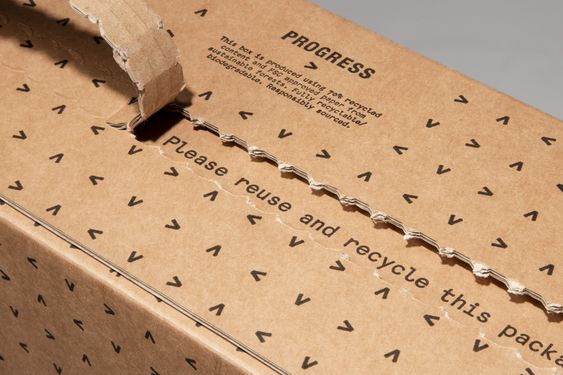
Virgin natural kraft paper is the heavy lifter of the paper world. Its clean and durable fiber content and its low cost make it an ideal option for heavy-duty applications that require a high level of tear resistance. Plus, it’s perfect for printing as well, so it’s a natural for branded packaging and protective layering, wrapping, pallet interleaving, carrier sheets, and dunnage.
Natural recycled kraft paper
Black kraft paper
The most common use of black kraft paper is as a dark, durable backing for picture frames, but that’s not its only use. Black kraft paper is also perfect for fun and interesting craft projects, or as an aid to unique decorating where light barriers and dark borders are needed.
White or bleached kraft paper
Similar to virgin natural kraft in strength and durability, white or bleached kraft paper makes an especially powerful impact when a crisp, clean appearance is desired. For example, many restaurants like to use white kraft paper as an attractive and economical alternative to linen tablecloths. It also serves well for wrapping and can stand up well to the standard wear and tear a package may receive.
Coloured kraft paper
Coloured kraft paper is available in just about every colour of the rainbow. Its vibrant hues make it perfect for all manner of craft projects, as well as fun backings for bulletin boards, standard school supplies, scrapbooking, and similar applications. If your target market includes, schools, daycares, or busy parents, coloured kraft paper should be on your list.
Printed kraft paper
Many different industries take advantage of the versatility and value of custom printed kraft paper for creating branded wrapping, packaging, and in-store displays. For example, a deli may order a supply of kraft paper sheets in the perfect size for wrapping sandwiches and have the deli logo and contact information printed on one side as a means of affordable, continual advertising. Many fashion manufacturers ship their garments out with printed kraft paper sleeves or sheets between individual articles, or wrapping the inside of a shoebox, again with branded logos and other information prominently displayed.
Understanding the colour variations of kraft paper
The colour of kraft paper can vary due to several factors, including the type of wood pulp used, the chemical treatments during production, and the level of processing involved.
Naturally, kraft paper has a light brown colour, which is derived from the wood pulp used in its production.
During the pulping process, the colour can be altered by adding chemicals like sodium sulfide or sodium hydroxide, which help break down lignin and remove impurities, resulting in a brighter, whiter paper.
On the other hand, unbleached kraft paper retains a darker brown shade due to the absence of chemical bleaching agents. This type is often chosen for eco-friendly packaging that emphasises a natural appearance.
The colour can also be influenced by the degree of processing. For example, recycled kraft paper may have a slightly darker hue compared to virgin kraft paper due to residual ink and other impurities.
While the colour doesn’t typically affect the strength or durability of the paper, it plays an important role in aesthetic appeal. Darker shades are commonly used for rustic, natural packaging, while brighter shades are preferred for vibrant, colourful designs.
When to utilise kraft paper
Understanding when to use kraft paper ensures you get the most out of its versatility and eco-friendly benefits. Here are some specific scenarios where kraft paper can be used effectively:
- Packaging products that require durable, protective wrapping while maintaining an eco-conscious approach.
- Crafting projects that call for a rustic, natural look, perfect for DIY creations and artistic endeavors.
- When seeking sustainable alternatives to traditional packaging materials, helping reduce environmental impact.
- During the holiday season, offering eco-friendly gift wrapping options that align with sustainable gifting trends.
- For businesses looking to enhance branding and marketing efforts, using custom printed kraft paper for unique, eye-catching packaging.
Get your custom kraft packaging today
Whether you’re in cosmetics, skincare, electronics, or food, kraft paper packaging offers the perfect combination of functionality, sustainability, and visual appeal. Its strength, eco-friendly benefits, and customisability make it one of the most sought-after packaging solutions today.
At Primepac Packaging, we specialise in helping businesses like yours create bespoke kraft packaging that not only looks impressive but also performs exceptionally well.
Ready to make your packaging stand out with kraft paper? Contact Primepac for a custom quote →