
Introduction — Why This Comparison Matters for Beauty Brands
Small-format cosmetic packaging plays a critical role in modern beauty marketing, but not all formats are created for the same purpose. Travel-size products, samples, and mini cosmetic containers may look similar at a glance, yet each serves a distinct function within the customer journey.
When these formats are used interchangeably or without a clear strategy, brands risk misaligned marketing spend, inefficient production, and missed conversion opportunities. This guide breaks down the key differences to help beauty brands select the right packaging format for the right commercial objective—whether that’s sampling, promotion, or retail sales.
Quick Definitions — Travel Size, Samples, and Mini Cosmetic Containers
Understanding the difference between travel size, samples, and mini cosmetic containers helps brands choose the most effective packaging for their marketing and sales goals. While these formats are often grouped together, they serve very different purposes in the beauty industry.
What Is Travel Size Cosmetic Packaging?
Travel-size cosmetic packaging refers to small retail-ready products designed for repeated use. These formats are typically sold as standalone items or bundled into travel kits and gift sets.
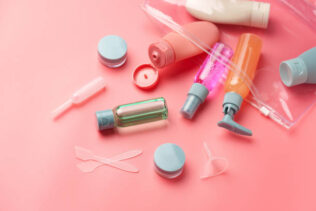
Key characteristics:
- Intended for ongoing use, not single application
- Commonly sold through retail, e-commerce, and duty-free channels
- Mirrors full-size packaging in design and branding
- Popular for on-the-go routines and short-term use
Travel-size packaging supports direct revenue generation while increasing brand accessibility.
What Are Cosmetic Samples?
Cosmetic samples are single-use or very limited-use formats created purely to introduce a product to new users. They are not designed for resale and are distributed at minimal cost.
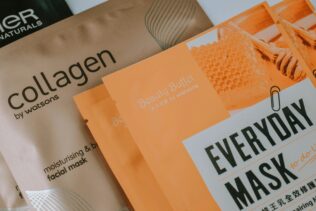
Typical sample formats include:
- Small vials or ampoules
Samples focus on trial and awareness, helping consumers experience a formula before committing to a purchase.
What Are Mini Cosmetic Containers?
Mini cosmetic containers are compact packaging formats that sit between samples and travel size. Depending on the strategy, they can function as retail products, promotional items, or refillable and reusable containers.
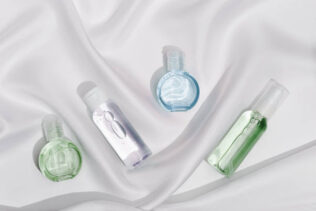
Key features:
- Can be sold or gifted, depending on campaign goals
- Often reused or refilled
- Used for promotions, limited editions, or discovery sets
- May overlap with travel size but are not always retail items
Mini containers offer brands flexibility—supporting both conversion and engagement across multiple touchpoints.
Core Differences at a Glance
Below is a side-by-side comparison to clearly show how travel size, samples, and mini cosmetic containers differ in purpose, format, and commercial value—helping brands choose the right option for each scenario.
| Aspect | Travel Size Packaging | Cosmetic Samples | Mini Cosmetic Containers |
| Primary Purpose | Convenience & repeat use | Product trial only | Trial, promotion, or retail |
| Typical Use | Short trips, daily carry | First-time testing | Discovery sets, promos, limited editions |
| Retail Ready | Yes | No | Yes |
| Usage Frequency | Multiple uses | Single / very limited use | Multiple uses |
| Common Formats | Small bottles, tubes, jars | Sachets, vials, blisters | Mini jars, pumps, sprays, compacts |
| Branding Level | Full branding | Minimal branding | Flexible (minimal to premium) |
| Consumer Perception | Paid product | Free trial | “Affordable luxury” or gift item |
| Cost per Unit | Medium | Very low | Low to medium |
| Best For | Revenue & convenience | Awareness & sampling | Conversion & engagement |
| Reusability | Sometimes | No | Often reusable/refillable |
Quick takeaway:
Travel size = retail convenience and revenue
Samples = low-cost trial and reach
Mini containers = strategic bridge between trial and purchase
For beauty brands, the strongest strategy often combines all three—each used intentionally at different stages of the customer journey.
Business Goals — Which Format Supports What?
Choosing between travel size, samples, and mini cosmetic containers isn’t just a packaging decision—it’s a commercial strategy. Each format plays a different role in driving awareness, conversion, and revenue.
When Travel Size Makes Sense
Travel-size packaging is best suited for direct revenue and brand expansion. These formats are retail-ready and designed for repeated use.
- Ideal for retail sales in-store and online
- Perfect for discovery or travel kits sold as bundles
- Appeals to on-the-go consumers who want portability without sacrificing quality
- Extends your brand by offering smaller versions of full-size hero products
Business goal: Generate sales while increasing product accessibility.
When Samples Are the Right Choice
Samples are designed for reach and trial, not resale. They allow brands to introduce products at scale with minimal investment.
- Effective for mass sampling campaigns
- Commonly used as in-store testers
- Great for event giveaways, expos, and launches
- Supports low-cost customer acquisition and first-touch experiences
Business goal: Maximise exposure and encourage first-time trial.
When Mini Cosmetic Containers Work Best
Mini cosmetic containers sit between samples and travel size, making them highly versatile for brand-building and conversion-focused campaigns.
- Widely used in influencer and PR kits
- Ideal for subscription boxes and curated beauty edits
- Perfect for limited editions or seasonal releases
- Strong fit for promotional bundles that add perceived value
Business goal: Increase engagement, trial-to-purchase conversion, and brand desirability.
Strategic insight:
High-performing beauty brands often use all three formats together—samples to attract, minis to engage, and travel size to convert—creating a seamless customer journey from first touch to full-size purchase.
Consumer Perspective — How Customers Perceive Each Format
From a customer’s point of view, travel size, samples, and mini cosmetic containers may look similar—but they trigger very different expectations and behaviours.
Samples = Free Trial, Low Commitment
Samples are viewed as a no-risk way to test a product. Consumers expect them to be free or bundled with a purchase, used once or twice, and focused purely on experiencing the formula rather than packaging or longevity.
Travel Size = Usable Product with Real Value
Travel-size formats are perceived as “real products in smaller form.” Customers expect enough quantity for repeated use, proper packaging, and clear value—often justifying a purchase price while offering convenience and portability.
Mini Containers = Flexible, Premium, and Collectible
Mini cosmetic containers are often seen as stylish, curated, and special. They feel more premium than samples and more playful than standard travel sizes, making them popular for gift sets, limited editions, and collections that consumers enjoy keeping or reusing.
Key takeaway:
While all three formats are small, consumers clearly differentiate their purpose—samples invite trial, travel size delivers practicality, and mini containers create emotional and perceived premium value.
Packaging Design & Branding Differences
Branding Opportunities by Format
Samples: Minimal, Compliance-First
Sample packaging prioritises function and regulation over aesthetics. Designs are typically simple, focusing on essential branding elements, ingredient information, and legal compliance. The goal is exposure and trial at the lowest possible cost, rather than long-term brand storytelling.
Travel Size: Full Branding, Scaled Down
Travel-size packaging is expected to mirror the look and feel of the full-size product. Colours, typography, logos, and finishes are usually consistent with the hero SKU, reinforcing brand recognition and delivering a “real product” experience in a smaller format.
Mini Containers: Creative Freedom & Premium Appeal
Mini cosmetic containers offer the most flexibility. Brands often use them to experiment with premium finishes, unique shapes, seasonal designs, or limited-edition concepts. This format supports stronger emotional appeal and elevated unboxing experiences.
Durability & Material Expectations
Samples: Lightweight and Cost-Focused
Materials are chosen for efficiency and scalability. Sachets, blister packs, and small vials prioritise low material use and ease of distribution, with limited expectations for long-term durability.
Travel Size: Higher Durability Required
Travel-size products are designed for repeated use. Consumers expect sturdy containers, reliable closures, and leak resistance—especially for on-the-go or bag-friendly use.
Mini Containers: Balanced Durability and Presentation
Mini containers sit between samples and travel size. They need to be durable enough for multiple uses while supporting enhanced visual appeal. Material choice often balances performance, aesthetics, and perceived value.
Sustainability Comparison
Samples
Samples use the least material per unit, making them efficient for large-scale distribution. However, many sample formats—such as sachets—can be difficult to recycle depending on their multi-layer film structures and local recycling systems.
Travel Size
Travel-size packaging typically uses more material than samples, but it offers a longer usable life. Because these products are reused multiple times, they can deliver better sustainability outcomes when designed with recyclable materials and durable components.
Mini Cosmetic Containers
Mini cosmetic containers are often the most adaptable to circular packaging strategies. Refillable designs, higher-quality materials, and reusable formats allow brands to reduce waste over time while maintaining a premium look and feel.
How to Choose the Right Format for Your Brand
Choosing between travel size, samples, and mini cosmetic containers should always start with your business objective. Each format plays a different role in the customer journey, and selecting the right one helps maximise both marketing impact and return on investment.
Ask These Questions First
Before deciding on a format, clarify the purpose of your packaging:
- Is this for trial, retail, or promotion?
Sampling campaigns prioritise reach, while retail-ready formats focus on usability and perceived value.
- How much branding impact do you need?
Some formats allow full brand expression, while others are designed to be minimal and cost-efficient.
- What is your target cost per unit?
Unit cost directly affects scalability, especially for large distribution campaigns.
- Do you want reuse or single-use?
Reusable formats support sustainability and brand longevity, while single-use formats excel at fast customer acquisition.
Answering these questions early helps narrow down the most suitable packaging solution.
Mixing Formats Strategically
Many successful beauty brands don’t rely on just one format—they combine them strategically across the funnel:
- Samples → Awareness
Ideal for mass exposure, first-time trials, and low-barrier entry into new markets.
- Mini Containers → Engagement
Perfect for influencer kits, subscription boxes, and premium promotions where experience and branding matter.
- Travel Size → Conversion
Best suited for retail sales and discovery kits that encourage repeat use and full-size product purchases.
By aligning each format with a specific goal, brands can create a cohesive packaging strategy that supports awareness, engagement, and conversion—without wasted spend.
Conclusion — Different Formats, Different Jobs
Travel size products, samples, and mini cosmetic containers are not interchangeable. Each serves a specific purpose in the customer journey—from first discovery to long-term loyalty.
The most successful beauty brands don’t choose one format; they use all three strategically to maximise reach, engagement, and conversion.
How Primepac Supports All Three Packaging Formats
Primepac helps beauty brands navigate the differences between samples, travel size products, and mini cosmetic containers—ensuring each format works toward a clear commercial goal.
- Custom sachet & sample packaging for mass sampling, trials, and awareness campaigns
- Travel size bottles, jars, and tubes designed for retail-ready use and repeat application
- Mini cosmetic containers with branding ideal for PR kits, subscription boxes, and limited editions
- Fast turnaround, and full design support, making it easy to test, launch, and scale with confidence
As a one-stop packaging partner, Primepac ensures consistency across formats while giving brands the flexibility to adapt packaging to different touchpoints.
Build the Right Sampling & Mini Strategy with Primepac
Not sure which format fits your product or campaign?
Talk to Primepac to design the right mix of samples, travel sizes, and mini cosmetic containers—tailored to your brand goals, budget, and growth plans.