
Introduction — Why Cosmetics Sachet Packaging Still Matters in Australia
In Australia’s highly competitive beauty market, cosmetics sachet packaging continues to be a smart, practical solution for brands looking to reach customers efficiently. While full-size and premium packaging dominates retail shelves, sachets remain widely used for sampling, promotions, subscription boxes, and large-scale distribution across pharmacies, supermarkets, events, and online channels.
For Australian brands, sachets offer a low-risk way to introduce new formulations, encourage trial, and support customer acquisition, all while keeping costs, logistics, and sustainability considerations firmly under control.
What Is Cosmetics Sachet Packaging

Sachet packaging is the term for small, sealed pouches that provide a single or a few uses of a product, such as liquids, creams, powders, or granules. Within the cosmetics and personal care industry, sachets are typically used for samples, product trials, promotional campaigns, and convenient travel-sized formats. Sachets are typically made from laminated film structures that protect the formula while remaining lightweight, compact, and cost-efficient.
Common sachet formats include flat sachets, tear-notch sachets for easy opening, and strip sachets that connect multiple units together for promotional or retail use. Fill volumes usually range from 1 ml and 2 ml for sampling to 5 ml and 10 ml for short-term use.
Unlike traditional samples, sachets contain a clearly defined usable amount and are often fully branded. Compared with mini cosmetic containers, sachets are more economical and intended for mass distribution rather than reuse. In contrast to full-size packaging, sachets prioritise trial, portability, and reach over long-term use.
Materials Used in Cosmetics Sachet Packaging
Cosmetics sachets are typically made from multi-layer laminated films, combining materials such as PET, PE, and aluminium foil (ALU). Each layer serves a specific function—providing structural strength, sealing performance, and protection for the cosmetic formula inside.
These laminated structures offer high-barrier protection against moisture, oxygen, and light, helping preserve product stability and extend shelf life. This level of protection is essential for formulations containing active or sensitive ingredients.
Material choice depends on:
Product formula (oil-based, water-based, active ingredients)
Shelf-life requirements
Barrier protection needs
Sustainability goals
As sustainability becomes an increasing priority for beauty brands, material selection is also evolving—balancing performance requirements with emerging eco-conscious packaging solutions.
Common Material Structures Used in Cosmetic Sachet Packaging
Not all cosmetic sachets use the same film structure. The material combination chosen can significantly affect product protection, shelf life, sustainability, and overall packaging cost. Selecting the right structure requires balancing barrier performance, formula compatibility, and environmental goals.
The table below outlines some of the most commonly used material structures for cosmetic sachet packaging.
| Material Structure | Barrier Protection | Typical Applications | Key Advantages |
|---|---|---|---|
| PET / PE | Medium | Moisturisers, lotions, cleansers | Cost-effective, good printability, suitable for standard formulations |
| PET / ALU / PE | Very High | Serums, ampoules, active skincare products | Excellent protection against moisture, oxygen, and light |
| PET / VMPET / PE | High | Creams, masks, beauty treatments | Strong barrier performance with lower cost than aluminium foil structures |
| Mono PE | Moderate | Sustainability-focused product ranges | Improved recyclability and reduced material complexity |
| PET / NY / PE | High | Products requiring enhanced puncture resistance | Durable structure with excellent mechanical strength |
Understanding Sachet Material Layers
Each layer within a laminated sachet structure serves a specific purpose:
- PET (Polyester): Provides strength, durability, and a high-quality printable surface.
- PE (Polyethylene): Delivers sealing performance and protects the inner product.
- ALU (Aluminium Foil): Offers superior protection against oxygen, moisture, and UV exposure.
- VMPET (Metallised Polyester): Provides enhanced barrier properties while remaining more economical than foil.
- NY (Nylon): Improves puncture resistance and overall package durability.
By combining these materials, manufacturers can create customised packaging solutions that meet specific product requirements.
Choosing the Right Barrier Protection Level
Different cosmetic formulations require different levels of protection.
- Standard Creams and Lotions
For products with relatively stable formulations, a PET/PE structure often provides sufficient protection while keeping packaging costs competitive.
- Active Skincare Products
Products containing ingredients such as vitamin C, retinol, peptides, or antioxidants are often more sensitive to oxygen and light exposure. High-barrier structures such as PET/ALU/PE are commonly recommended to maintain product stability throughout the intended shelf life.
- Sustainable Cosmetic Packaging
Brands seeking to improve recyclability may consider mono-material structures, such as Mono PE sachets. While these solutions continue to evolve, they represent an important step towards more sustainable flexible packaging.
Why Material Selection Matters
Choosing the wrong sachet structure can lead to reduced shelf life, ingredient degradation, leakage issues, or unnecessary packaging costs. Material selection should always be based on:
- Product formulation
- Desired shelf life
- Storage conditions
- Distribution channel
- Sustainability objectives
- Budget requirements
At Primepac, we help brands evaluate these factors to select sachet materials that balance product protection, branding requirements, cost efficiency, and sustainability goals.
Key Types of Sachet Packaging & Their Applications
Standard Sachets
The classic sachet is sealed on three or four sides, making it a highly versatile option suitable for both powdered and liquid products. Its streamlined, flat shape ensures economical storage and provides excellent branding real estate, which positions it as a top choice for retail-ready packaging.
Twin Sachets
Twin sachets feature two products in connected, separate compartments. These compartments can be easily divided, making this format perfect for complementary goods sold as a pair. It’s an effective solution for sets like shampoo and conditioner, or for bundled supplements.
Custom (Shaped) Sachets
Custom-shaped sachets—including designs with soft curves, distinctive outlines, or hot-foil logos—allow a brand to differentiate itself and create a lasting impact. Although they require a higher investment in production, this level of premium detailing effectively enhances brand image and crafts a memorable unboxing experience that plants the seed for future purchases.
Cosmetic Sachet Packaging Types by Seal Configuration
While cosmetic sachets can be customised in various shapes and sizes, the seal configuration is one of the most important design considerations. Different seal structures affect production efficiency, filling performance, product protection, and overall presentation. Understanding these options helps brands select the most suitable format for their product and distribution strategy.
3-Side Seal Sachets
3-side seal sachets are among the most widely used formats in the cosmetics industry. They are sealed on three edges, with the fourth side formed by the folded film structure. This design provides a clean appearance while maintaining excellent production efficiency.
Common applications include:
- Facial serums
- Moisturisers
- Cleansers
- Sunscreens
- Hair treatments
Advantages:
- Cost-effective production
- Suitable for liquids, creams, and gels
- Efficient material usage
- Large printable surface for branding
For many beauty brands launching sampling campaigns, 3-side seal sachets offer an ideal balance between functionality and cost.
4-Side Seal Sachets
4-side seal sachets are sealed on all four edges, creating a symmetrical and premium-looking package. This format is commonly used when presentation and product consistency are particularly important.
Common applications include:
- Premium skincare samples
- Anti-ageing treatments
- Luxury cosmetic promotions
- High-value active formulations
Advantages:
- Premium appearance
- Excellent filling consistency
- Strong seal integrity
- Suitable for automated high-speed production
Many premium skincare brands choose 4-side seal sachets to enhance perceived product value while maintaining the convenience of single-use packaging.
Centre Seal Sachets
Centre seal sachets feature a vertical seal running down the back of the package. While more commonly associated with food and pharmaceutical applications, they can also be used for certain cosmetic products, particularly powders and dry formulations.
Common applications include:
- Face masks in powder form
- Beauty supplements
- Bath salts
- Cosmetic powders
Advantages:
- Strong sealing performance
- Efficient manufacturing process
- Suitable for dry products
- Cost-effective for larger production volumes
Stick Packs
Stick packs are narrow, elongated sachets designed to dispense a precise single dose of product. Their compact format makes them increasingly popular for beauty, wellness, and nutricosmetic products.
Common applications include:
- Collagen powders
- Beauty supplements
- Powdered skincare products
- Liquid concentrates
- Functional beauty drinks
Advantages:
- Convenient single-dose format
- Easy portability
- Accurate portion control
- Premium and modern appearance
For brands targeting health, wellness, and beauty-from-within markets, stick packs provide an attractive alternative to traditional sachet packaging.
Which Sachet Seal Format Is Best?
The best sachet configuration depends on your product formulation, branding goals, distribution channel, and budget.
| Sachet Type | Best For | Key Benefit |
|---|---|---|
| 3-Side Seal | Creams, lotions, serums | Cost-effective and versatile |
| 4-Side Seal | Premium skincare samples | Premium appearance |
| Centre Seal | Powders and dry formulations | Strong sealing performance |
| Stick Packs | Supplements and single-dose products | Portion control and convenience |
At Primepac, we help brands evaluate product characteristics, filling requirements, and marketing objectives to determine the most suitable sachet structure for their packaging project.
Sachets vs Mini Cosmetic Containers — Which Should You Choose
Both sachets and mini cosmetic containers play important roles in cosmetic packaging, but they serve different commercial objectives. The right choice depends on how you plan to use the packaging and what experience you want to deliver.
When Sachets Make Sense
Sachets are best suited for high-volume sampling and promotions. They offer the lowest unit cost, are lightweight, and are easy to distribute at scale. Sachets are ideal for:
- Mass sampling campaigns
- Magazine inserts and mail-outs
- Events, expos, and outdoor promotions
- Introducing new formulas with minimal investment
They prioritise reach and cost efficiency over reuse or long-term branding.
When Mini Cosmetic Containers Are the Better Choice
Mini containers are designed for reusability, premium presentation, and retail appeal. They are commonly used for:
- Travel-size retail products
- Discovery or starter kits
- Influencer and PR gifting
- Subscription beauty boxes
Mini containers provide stronger branding impact, better user experience, and higher perceived value, often acting as a bridge to full-size purchases.
Choosing the Right Format
If your goal is maximum exposure at the lowest cost, sachets are the practical choice. If you’re aiming to build brand perception, encourage repeat use, or support retail sales, mini cosmetic containers offer greater long-term value.
At Primepac, we help brands choose — or combine — both formats to create effective, scalable sampling and promotional strategies.
Common Cosmetic Products Packaged in Sachets
In Australia, cosmetic sachet packaging is widely used across pharmacies, supermarkets, beauty retailers, e-commerce, and promotional channels. Its flexibility makes it ideal for both retail sales support and large-scale sampling campaigns.

Skincare Sachet Use Cases
Typical Products
- Skincare creams and lotions
- Serums and ampoules
- Sunscreen and after-sun products
- Cleansers & face washes
- Exfoliators & scrubs
Retail Applications
In Australian pharmacies and beauty retailers, skincare sachets are often used as trial-size add-ons, placed near full-size products to encourage first purchase. They are also included in subscription beauty boxes and online orders as a value-added insert.
Promotional Applications
For brand launches, events, and outdoor campaigns, skincare sachets are ideal for mass distribution, allowing consumers to test texture, absorption, and performance before committing to full-size products.
Makeup Sachet Use Cases
Typical Products
- Liquid foundations
- Primers
- BB/CC creams
Retail Applications
In-store, makeup sachets are commonly used for shade testing and formula trials, especially in multi-shade foundation ranges where consumers want to compare before purchasing.
Promotional Applications
Makeup sachets are frequently used in PR mail-outs, influencer kits, and magazine inserts, offering controlled dosing and clean application without the cost of mini containers.
Hair Care and Body Care Sachet Use Cases
Typical Products
- Shampoos and conditioners
- Hair masks and treatments
- Body lotions & creams
- Body washes & scrubs
- Hand creams
Retail Applications
Hair care sachets are widely used in Australian supermarkets and salons as introductory formats, often bundled with full-size bottles or offered as promotional giveaways.
Promotional Applications
They are especially effective for sampling campaigns, hotel amenities, travel kits, and event distribution, where lightweight packaging and high-volume reach are essential.
Why Sachets Work Well in the Australian Market
- Suitable for large geographic distribution with low freight costs
- Easy to integrate into pharmacy, supermarket, and online retail channels
- Effective for sun-care, hair care, and skincare categories popular in Australia
- Ideal for brands looking to balance cost efficiency with wide consumer reach
Sustainability Considerations in Sachet Packaging
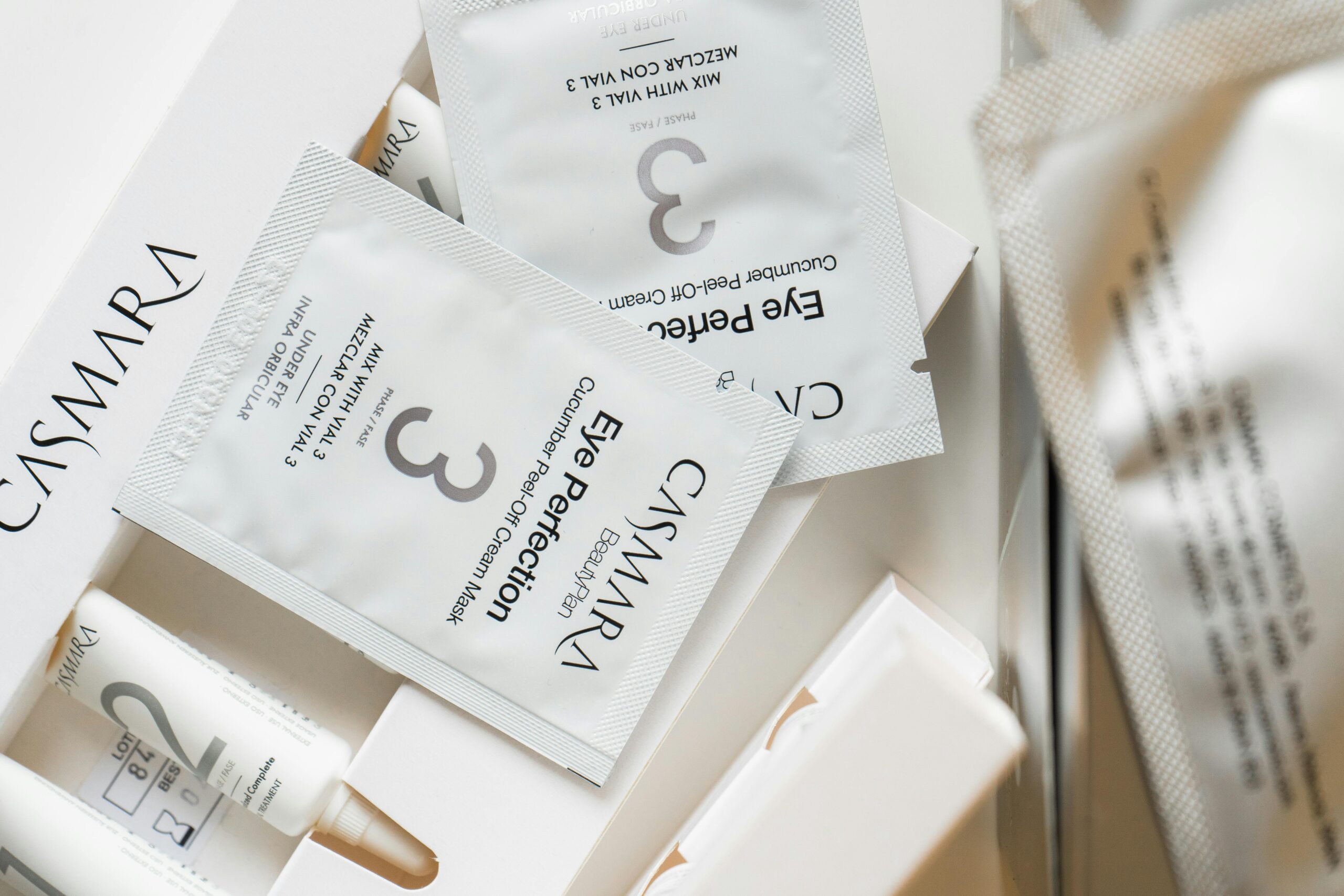
Sustainability has become an increasingly important factor in cosmetic packaging decisions. As beauty brands seek to reduce their environmental impact, sachet packaging is evolving to offer more responsible solutions while maintaining the product protection and convenience consumers expect.
While traditional sachets have faced criticism for recyclability challenges, ongoing material innovation is creating new opportunities for brands to balance sustainability goals with packaging performance.
PCR Films (Post-Consumer Recycled Materials)
One approach to improving sustainability is the use of PCR (Post-Consumer Recycled) content within packaging structures.
PCR materials are produced from recycled plastic waste that has already completed its original lifecycle and been processed for reuse. By incorporating PCR content into sachet packaging, brands can reduce their reliance on virgin plastic materials and support circular economy initiatives.
Benefits of PCR films include:
- Reduced demand for virgin plastic
- Lower overall environmental footprint
- Support for corporate sustainability objectives
- Growing consumer appeal among environmentally conscious shoppers
The suitability of PCR materials depends on product requirements, regulatory considerations, and desired barrier performance.
Mono-Material Sachets
Traditional sachets often combine multiple material layers, such as PET, aluminium foil, and PE, to achieve high barrier protection. While effective, these complex structures can be difficult to recycle through conventional recycling systems.
Mono-material sachets are designed using a single polymer family, such as polyethylene (PE), which can improve recyclability compared with traditional multi-material laminates.
Advantages include:
- Improved compatibility with recycling streams
- Simplified material recovery processes
- Reduced material complexity
- Alignment with emerging sustainable packaging initiatives
Although mono-material structures continue to evolve, they are becoming an increasingly popular option for brands seeking more recyclable flexible packaging solutions.
Lightweight Packaging Benefits
One of the often-overlooked sustainability advantages of sachet packaging is its exceptionally low material usage.
Compared with rigid containers such as bottles, jars, or tubes, sachets typically require significantly less raw material to deliver the same quantity of product.
This lightweight design provides several environmental benefits:
- Reduced packaging material consumption
- Lower transportation emissions
- Improved pallet and shipping efficiency
- Reduced storage requirements
- Lower overall carbon footprint throughout the supply chain
For Australian brands distributing products across large geographic regions, these logistics efficiencies can contribute meaningfully to sustainability objectives.
Challenges of Cosmetic Sachet Recycling
Despite ongoing advancements, cosmetic sachets still present certain recycling challenges.
Many conventional sachets rely on multi-layer laminated structures to provide protection against moisture, oxygen, and light. These layers are often difficult to separate during recycling, limiting their compatibility with standard recycling systems.
Additional challenges may include:
- Small package size
- Contamination from residual product
- Limited local recycling infrastructure
- Varying recycling requirements across regions
For this reason, sustainability claims should always be communicated transparently. While newer materials are helping improve recyclability, not all sachets are currently accepted in standard household recycling programs.
Finding the Right Balance Between Protection and Sustainability
The most sustainable packaging solution is not always the one with the fewest materials. Product protection remains critical, particularly for cosmetics containing sensitive active ingredients.
Packaging that fails to adequately protect the product can lead to spoilage, waste, and a greater overall environmental impact.
When evaluating sustainable sachet packaging options, brands should consider:
- Product formulation requirements
- Shelf-life expectations
- Distribution conditions
- Recycling objectives
- Consumer expectations
- Regulatory compliance
At Primepac, we help cosmetic brands assess these factors and identify packaging solutions that balance product protection, brand objectives, and sustainability goals. Whether you’re exploring recyclable mono-material sachets, PCR content, or other emerging packaging innovations, our team can help you develop a practical and responsible packaging strategy.
Can Sachet Packaging Preserve Product Quality
Yes — when properly designed, cosmetic sachet packaging provides high-barrier protection against moisture, oxygen, and light, helping to maintain formula stability and extend shelf life. This is particularly important for cosmetics containing active ingredients that are sensitive to air exposure or UV light.
Beyond physical barrier performance, material compatibility plays a critical role in product safety and longevity. Certain cosmetic formulations may interact with packaging layers over time, which can affect product performance or lead to packaging degradation if not properly addressed.
To minimise this risk, advanced non-interaction film technologies are sometimes used. These specialised films are engineered to reduce chemical interaction between the cosmetic formula and the packaging structure, ensuring the product remains effective, stable, and safe throughout its intended shelf life.
For brands planning large-scale sampling or long distribution cycles, selecting the right sachet material is essential to protecting both product integrity and brand reputation.
Customisation Options for Cosmetics Sachet Packaging
Cosmetics sachet packaging may be compact, but it offers extensive customisation opportunities that allow brands to deliver strong visual impact and clear product information.
Custom Sizes and Shapes
Sachets can be produced in a wide range of sizes to suit different formulas and usage needs. Beyond standard rectangles, custom shapes and die-cuts help brands stand out during promotions and product launches.
High-Quality Printing
Full-colour CMYK printing and spot colours ensure accurate colour reproduction and consistent branding. This allows sachets to match existing product lines or campaign visuals precisely.
Surface Finishes
Matte finishes create a refined, premium feel, while gloss finishes enhance colour vibrancy and shelf visibility. Soft-touch coatings add a tactile element that elevates the sampling experience.
Functional Features
Easy-open tear notches improve usability and reduce product waste, especially for single-use applications.
Brand Messaging and Information
Sachets provide valuable space for logos, ingredient lists, usage instructions, compliance information, and QR codes—allowing brands to extend storytelling, promotions, or digital engagement beyond the package itself.
At Primepac, we help brands tailor these customisation options to balance cost, performance, and branding goals across sampling, retail, and promotional campaigns.
What Affects the Cost of Cosmetic Sachet Packaging
The cost of cosmetic sachet packaging can vary significantly depending on the product, packaging specifications, and production requirements. Understanding the key cost drivers can help brands make informed decisions while balancing performance, branding, and budget.
Material Structure
The material structure is one of the biggest factors influencing sachet costs.
Basic laminated structures, such as PET/PE, are generally more economical and suitable for standard cosmetic formulations. High-barrier structures that incorporate aluminium foil or specialised barrier layers typically cost more due to their enhanced protection against moisture, oxygen, and light.
Products containing sensitive active ingredients often require premium material structures to maintain product stability and shelf life.
Sachet Size
Larger sachets require more packaging material and can increase both production and transportation costs.
Typical cosmetic sample sachets range from 1 ml to 10 ml, but custom sizes can be produced to suit specific applications. Optimising the sachet size helps reduce material waste while ensuring consumers receive an appropriate product quantity for testing or short-term use.
Printing Complexity
The complexity of the artwork and printing process can also affect packaging costs.
Factors that may increase printing costs include:
- Multiple spot colours
- Metallic inks
- High-resolution graphics
- Complex colour matching requirements
- Variable data printing
Brands with strict colour consistency requirements often invest in higher-end printing processes to ensure packaging aligns with existing product lines and brand guidelines.
Order Quantity
Production volume has a direct impact on unit pricing.
Higher order quantities generally reduce the cost per sachet because tooling, setup, and production costs are spread across a larger number of units. Smaller runs may have a higher unit cost but provide greater flexibility for product launches, market testing, or limited-edition campaigns.
For emerging beauty brands, low minimum order quantity (MOQ) options can be an effective way to test products before scaling up production.
Special Finishes and Custom Features
Premium finishing options can enhance brand perception but may increase packaging costs.
Examples include:
- Matte or soft-touch finishes
- Metallic foil stamping
- Spot UV coatings
- Custom die-cut shapes
- Embossing or debossing
- Unique tear-notch designs
These features are often used for premium skincare, luxury beauty products, and high-profile promotional campaigns where presentation plays an important role in consumer perception.
Filling Requirements
Packaging costs are influenced not only by the sachet itself but also by the filling process.
Factors that may affect filling costs include:
- Product viscosity
- Filling speed requirements
- Multi-component formulations
- Sterile or controlled filling environments
- Quality inspection procedures
For example, thick creams and gels may require different filling equipment compared to lightweight serums or liquid formulations.
How to Optimise Cosmetic Sachet Packaging Costs
The most cost-effective solution is not always the cheapest option. Successful cosmetic brands balance packaging performance, visual appeal, product protection, and production efficiency to achieve the best overall value.
When evaluating a sachet packaging project, consider:
| Cost Factor | Impact on Pricing |
|---|---|
| Material Structure | High |
| Sachet Size | Medium to High |
| Printing Complexity | Medium |
| Order Quantity | High |
| Special Finishes | Medium |
| Filling Requirements | Medium to High |
At Primepac, we work closely with brands to identify packaging solutions that meet performance requirements while keeping production costs under control. By evaluating materials, design specifications, and order volumes early in the development process, businesses can optimise both packaging quality and budget efficiency.
How to Choose the Right Sachet Packaging for Your Brand
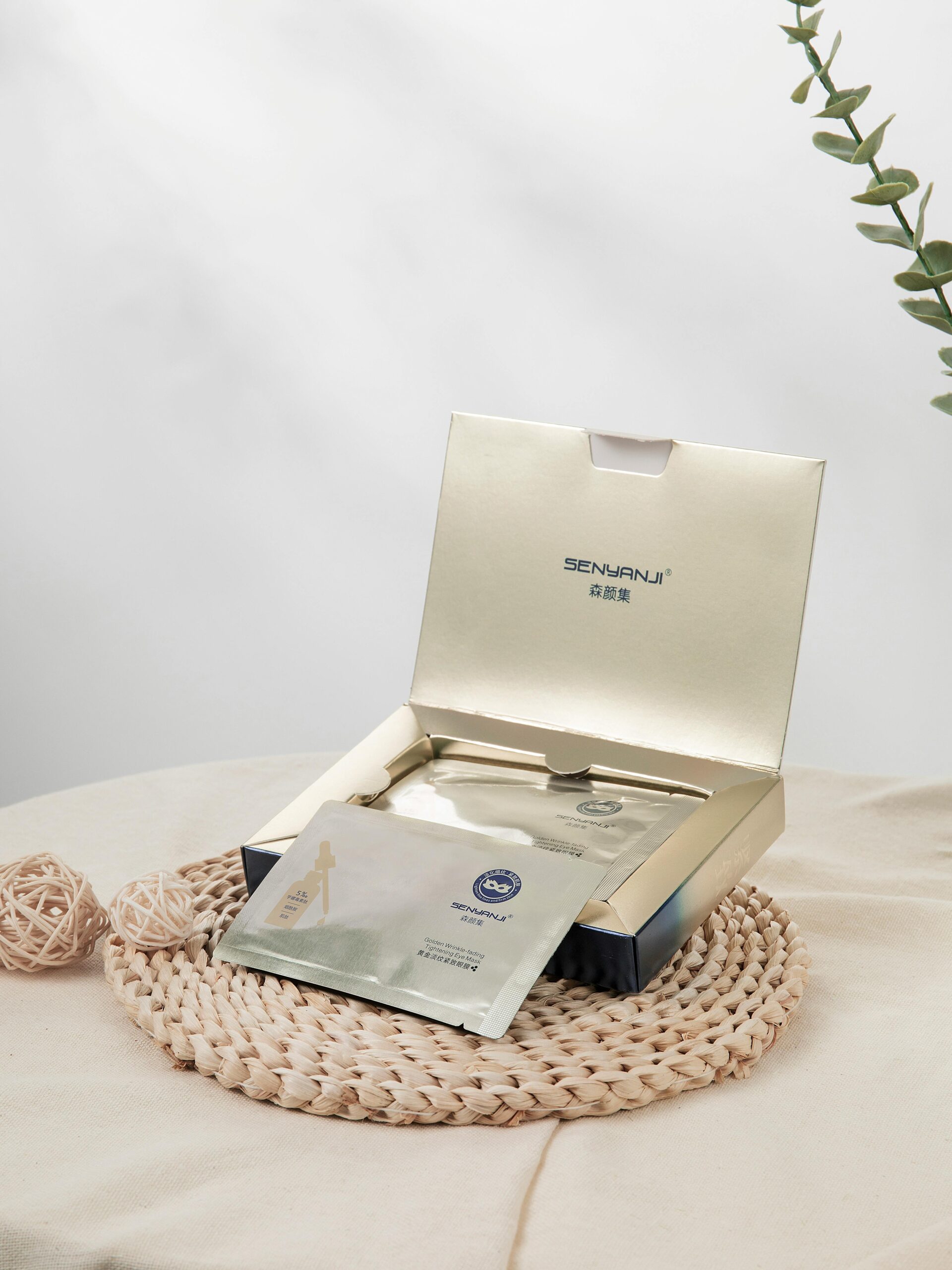
Choosing the right sachet packaging starts with understanding both your product and your distribution goals.
Product Texture & Viscosity
Different formulas require different sachet structures. Creams, gels, and liquids vary in flow and sensitivity, so the sachet material and seal strength must suit the product to prevent leakage and ensure easy dispensing.
Target Distribution Channel
Consider where and how the sachets will be used—retail sampling, mail-outs, events, subscription boxes, or mass promotions. Each channel has different requirements for durability, presentation, and unit cost.
Branding vs Cost Priorities
High-volume campaigns may prioritise cost efficiency, while premium launches or PR kits may require enhanced finishes and stronger visual impact. Balancing these factors early helps avoid over-engineering or under-branding.
Regulatory & Labelling Requirements
Sachets must accommodate mandatory information such as ingredients, usage instructions, batch details, and compliance markings, especially for cosmetic products sold in Australia.
Sustainability Goals
If sustainability is a key brand value, consider recyclable structures, reduced material layers, and responsible printing options that align with your environmental commitments.
Sum up — Small Format, Big Marketing Impact
Cosmetics sachet packaging may be small in size, but its impact on brand growth is significant. When used strategically, sachets act as powerful trial tools—helping brands introduce new products, reduce purchase hesitation, and convert first-time users into loyal customers.
Rather than replacing mini or full-size packaging, sachets work best alongside them, forming a complete packaging ecosystem that supports sampling, promotions, and retail sales. By approaching sachet packaging with clear intent and thoughtful design, brands can maximise reach while maintaining product integrity and brand consistency.
Used intentionally, sachets become a smart marketing asset—not an afterthought.
Why Choose Primepac for Custom Cosmetics Sachet Packaging
Primepac partners with beauty brands to deliver custom cosmetics sachet packaging that balances performance, branding, and scalability—making sampling and promotional campaigns simple and effective.
Custom Sachet Sizes and Materials
Tailored sachet formats and film structures designed to suit different cosmetic formulas and usage requirements.
Low MOQs for Testing Campaigns
Flexible minimum order quantities allow brands to test new products, shades, or markets without overcommitting inventory.
High-Quality Printing and Finish Control
Precise colour reproduction, premium surface finishes, and consistent quality across every batch.
Fast Production Timelines
Efficient manufacturing ensures your sachets are ready for launches, events, and time-sensitive promotions.
One-Stop Support from Design to Delivery
From material selection and artwork setup to production and logistics, Primepac streamlines the entire packaging process.
Looking to use sachet packaging strategically? Speak with Primepac’s packaging specialists to develop custom cosmetics sachets that align with your formulation, distribution channel, and marketing objectives.
Frequently Asked Questions About Cosmetic Sachet Packaging
What Size Sachet Is Best for Cosmetic Samples?
The ideal sachet size depends on the product type and intended use. Cosmetic sample sachets typically range from 1 ml to 10 ml.
- 1–2 ml: Serums, ampoules, and concentrated treatments
- 3–5 ml: Facial creams, moisturisers, and cleansers
- 5–10 ml: Hair masks, body lotions, and multi-use products
Choosing the right fill volume ensures consumers can properly evaluate the product while keeping packaging and sampling costs under control.
Are Cosmetic Sachets Recyclable?
Some cosmetic sachets can be designed with recyclable materials, such as mono-material polyethylene (PE) structures. However, many traditional sachets use multi-layer laminates that may not be accepted by standard recycling systems.
Brands seeking more sustainable packaging solutions should discuss recyclable material options and local recycling requirements with their packaging supplier.
What Materials Are Used in Cosmetic Sachets?
Cosmetic sachets are commonly manufactured using laminated film structures that combine multiple materials to achieve strength, sealability, and barrier protection.
Common structures include:
- PET / PE
- PET / ALU / PE
- PET / VMPET / PE
- Mono PE
The most suitable structure depends on the product formulation, shelf-life requirements, and sustainability objectives.
What Is the Minimum Order Quantity for Custom Sachets?
Minimum order quantities (MOQs) vary depending on the sachet size, material structure, printing requirements, and production process.
Many packaging suppliers offer lower MOQs for product testing, promotional campaigns, and market validation, while larger production runs typically achieve better unit pricing.
At Primepac, we work with brands to identify practical MOQ solutions that align with both project goals and budget requirements.
Can Sachets Be Used for Serums?
Yes. Sachets are widely used for cosmetic serums and active skincare products. In fact, they are one of the most common packaging formats for product sampling.
For formulations containing sensitive ingredients such as vitamin C, retinol, or peptides, high-barrier material structures are often recommended to help protect product stability and effectiveness.
How Long Do Cosmetic Sachets Last?
The shelf life of a cosmetic sachet depends on the formulation and the packaging material used.
When properly designed, sachet packaging can provide excellent protection against moisture, oxygen, and light, helping preserve product quality throughout its intended shelf life. Many cosmetic products packaged in high-barrier sachets can maintain stability for 12 to 36 months, depending on the formulation.
Can Cosmetic Sachets Be Printed in Full Colour?
Yes. Modern printing technologies allow cosmetic sachets to be produced with high-quality full-colour graphics and precise colour matching.
Common decoration options include:
- CMYK printing
- Spot colour printing
- Metallic effects
- Matte and gloss finishes
- Soft-touch coatings
- QR codes and variable information
These customisation options help brands maintain strong visual consistency across their packaging range.
Are Sachets Suitable for Travel-Size Cosmetics?
Yes. Sachets are lightweight, compact, and easy to carry, making them an excellent option for travel, hospitality, and on-the-go applications.
They are commonly used for:
- Travel skincare kits
- Hotel amenities
- Airline amenity packs
- Gym and wellness products
- Beauty subscription boxes
While sachets are generally designed for single-use applications, they offer a convenient alternative to mini cosmetic containers when portability and cost efficiency are priorities.