
If you’ve ever received a tiny perfume bottle in a PR kit or tested a fragrance on a sample strip, you’ve experienced the power of mini-size perfume testers. But these little bottles and cards aren’t just cute freebies — they’re a strategic part of how fragrance brands connect with customers, build loyalty, and drive full-size purchases.
Mini perfumes have a rich history. Long before marketing campaigns existed, people carried small personal scent bottles — often called “true miniatures” — as a personal luxury. By the early 20th century, perfume houses like Coty began offering simpler, smaller bottles to make fragrances accessible to a wider audience, moving beyond the elite who could afford ornate, full-size bottles. Over time, mini bottles evolved from personal items to gifts, testers, and promotional tools, paving the way for the modern mini perfume testers, Scent Sample Cards, and branded blotter strips we see today.
Fast forward to 2025, and mini perfume packaging has become much more than a marketing add-on. It’s a way to let consumers try before they buy, introduce multiple fragrances at once, and even bring a touch of luxury and convenience to everyday life — whether that’s a quick gym session, a weekend getaway, or simply trying a new scent at home.
In this blog, we will break down the whole landscape — perfume bottles, sample cards, scent strips, and all the clever ways brands use them to create “wow, I need this” moments.
Simple. Clear. No fluff. Let’s get into it.
Why Mini-Size Perfume Testers Matter
Mini testers exist for one core reason: they give customers the chance to experience a fragrance without committing to a full-size bottle. But they also serve multiple purposes for brands:
- Encourage repeat purchases and loyalty: A well-presented mini can turn first-time tasters into devoted fans.
- Mail-out samples and event giveaways: Perfect for PR kits, subscriptions, and promotional campaigns.
- Travel-friendly convenience: Small bottles or rollerballs fit easily into handbags, carry-ons, and gym bags.
- Discovery kits: Sets of mini testers allow consumers to explore multiple scents without overwhelm.
Essentially, mini testers are a bridge between curiosity and commitment, providing a sensory experience that full-size bottles alone can’t always deliver.
What Is a Perfume Tester?
A perfume tester is any form of fragrance used to let someone experience a scent without buying the full-size product.
While testers are mostly associated with retail stores, they’re also used for promotional campaigns, travel, gifting, and online sampling.
Here are the main types:
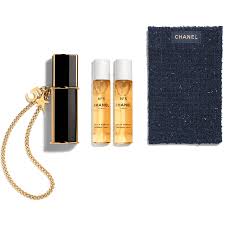
- Mini / Travel Testers
- What it is: Smaller bottles of perfume, usually 1–15ml.
- Formats: Spray atomisers, rollerballs, or dabbers.
- Why brands use them:
- Encourage trial without a big commitment.
- Perfect for travel or handbag use.
- Can be used for promotional giveaways.
- Example: A 5ml mini Chanel N°5 spray included in a gift set or bought as a travel-friendly option.
2. Perfume Card Holders
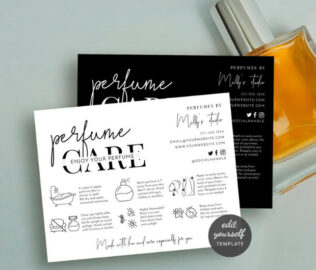
- What it is: A printed card or sleeve that holds a small perfume vial.
- Key Features:
- Can include fragrance notes, brand logo, or scent story.
- Often used for campaigns or retail samples.
- Purpose: A compact, convenient way to let customers experience a fragrance without needing a bottle.
3.Tester Cards
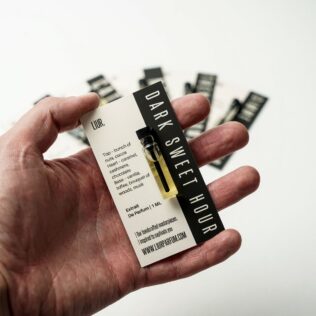
- What it is: Includes both the Scent Sample Card and the tester vial, often containing 0.5-1.5ml.
- Why it matters: This is a complete sampling experience: the card presents the branded perfume neatly, while the vial allows testing.
- Use Cases: event giveaways, single-use testers, mail-out samples
4.Fragrance Tester Strips / Perfume Blotters
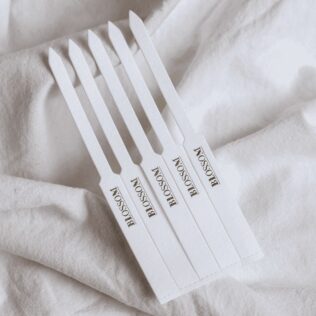
- What it is: Paper strips used to smell a fragrance without applying it to the skin.
- Types:
- Plain white or cream strips.
- Foldable strips or cards.
- Branded strips for marketing campaigns.
- Why it’s useful: Helps customers compare scents, especially in stores with multiple fragrances.
5.Discovery Sets / Sample Kits
- What it is: Multi-fragrance kits, often in mini bottles.
- Why brands love them:
- Introduce customers to a fragrance range.
- Perfect for gifting.
- Ideal for online subscriptions.
- Typical Formats: Mini spray bottles, rollerballs, small vials, often presented in foam or cardboard dividers with fragrance guides.
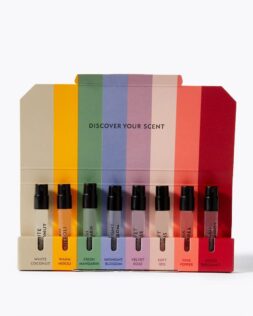
Perfume Testers by Packaging Format
The packaging of a perfume tester is just as important as the fragrance itself. Here’s a breakdown:
- Mini Bottles & Vials
- Materials: Glass (premium feel), plastic/acrylic (durable & cost-effective), metal (for rollerball caps).
- Formats:
- Spray bottles/spray vials (The most common format)
- Rollerballs
- Dabbers/dropper bottles
- Purpose: Allow precise dosing of perfume and make sampling convenient.
2.Scent Sample Cards & Tester Cards
- Materials: Cardstock, laminated paper, kraft paper.
- Design: Can hold a mini vial, include branding, fragrance info, and batch number.
- Purpose: Mailers, events, or gifting.
3.Fragrance Blotters
- Material: Absorbent paper strips.
- Design Options: Plain, branded, or folded cards.
- Use Cases: In-store testing, mailer inserts, marketing promotions.
4.Discovery / Sample Kits
- Outer Packaging: Rigid boxes, sleeve boxes, or cardboard trays.
- Inner Packaging: Foam cut-outs, paper dividers, molded pulp.
- Extras: Fragrance guide cards, branded leaflets.
- Purpose: Provide a premium, multi-fragrance sampling experience.
Common Volumes of Mini Perfume Testers
Choosing the right size is key to giving customers a meaningful experience while maintaining cost-effectiveness:
- 1–2 ml: Tiny trial vials, often single-use or mail-out decants.
- 3–5 ml: Most common for mini sprays or rollerballs; perfect for discovery sets.
- 5–7.5 ml: Slightly larger minis, often included in premium sample kits.
- 8–10 ml: Travel-size bottles, ideal for gifting or promotional campaigns.
- 12–15 ml: Larger mini bottles for subscription boxes or loyal customer campaigns.
Types of Mini Perfume Tester Packaging
Different formats give brands flexibility to deliver a tailored experience:
- Mini Spray Bottles: Glass or acrylic with standard atomisers for controlled application. Great for mail-outs, in-store sampling, or events.
- Rollerball Bottles: Glass or metal, portable, precise, and often included in discovery kits.
- Dabbers / Dropper Bottles: Compact glass vials, ideal for niche or high-end perfumes.
- Plastic / Acrylic Mini Sprays: Lightweight, durable, and travel-friendly — perfect for mass sampling campaigns.
Mini Sample Packaging Formats
Mini perfume testers aren’t just about the vial — how you present them makes a huge difference:
- Scent Sample Cards / Tester Cards: Cards or sleeves that hold mini vials. Add your brand story, fragrance notes, QR codes, or website links to engage consumers beyond the first sniff. Ideal for mail campaigns, events, or retail sampling.
- Fragrance Blotters / Tester Strips: Hygienic strips for sampling without opening the vial. Branded options reinforce your identity and create a memorable experience at counters, events, or PR kits.
Branding and Customisation Options for Perfume Scent Sample Cards
Even a perfume sample card with a mini-sized bottle can reflect your brand identity with customisation:
- Logo & Brand Name Printing
- Directly print your logo or brand name on the card for instant recognition.
- Options include spot UV, foil stamping (gold, silver, metallic), or embossing/debossing for a premium feel.
- Fragrance Information
- Include key details such as:
- Fragrance name or collection
- Notes (top, heart, base)
- Batch number or production code
- Helps educate customers and enhances perceived value.
- QR Codes & Digital Engagement
- Add a QR code linking to:
- Full-size products
- Brand website
- How-to-use videos
- Loyalty programs or special offers
- Encourages customers to engage beyond the sample.
- Custom Shapes & Die-Cuts
- Standard rectangle or square, or creative custom shapes (e.g., perfume bottle outline).
- Can include slots or perforations to hold mini vials or rollerballs securely.
- High-Quality Printing & Finishes
- Glossy or matte lamination for durability and visual appeal
- Soft-touch coating for a premium tactile experience
- Embossing or textured patterns to reinforce luxury branding
- FSC-certified or recycled paper stocks
- Soy-based or eco-friendly inks
- Minimal material use while still maintaining a premium look
- Interactive & Multi-Panel Designs
- Foldable cards or sleeves that open to reveal fragrance info or story
- Multi-panel cards for sample kits with multiple fragrances
- Magnetic closures or tuck-in slots for an added premium feel
- Colour & Theme Customisation
- Brand colours or seasonal designs
- Limited edition or event-specific motifs
- Ability to reflect overall campaign aesthetics
Usage and Distribution
Mini testers are versatile and can be used across multiple touchpoints:
- In-store testing: Customers try scents using mini sprays or blotters.
- Mail campaigns: Branded Scent Sample Cards sent to potential or loyal customers.
- Discovery kits: Sets of 3–5 mini vials allow exploration of multiple fragrances.
- Travel kits: Perfect for consumers on the go.
- Promotional giveaways: Events, subscription programs, or loyalty campaigns.
Real-World Examples
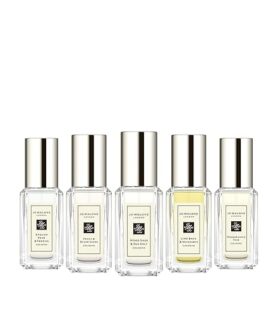
- Jo Malone: Sends 9ml mini sprays in branded Scent Sample Cards to loyal customers. This often converts trials into full-size purchases.
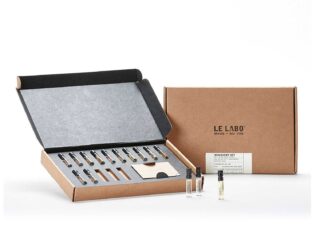
- Le Labo: Discovery Set with mini vials in a kraft paper box with foam inserts encourages customers to explore multiple fragrances, leading to full-size bottle sales.
- Chanel: Branded fragrance blotters in-store allow customers to experience scents without opening bottles, leaving a lasting impression.
Tips for Effective Mini Perfume Packaging
- Choose the right size: Small enough to sample, large enough to experience the fragrance.
- Prioritize protection: EVA foam or molded pulp prevents breakage.
- Make it visually appealing: Sleek, consistent branding with quality materials.
- Include fragrance info: Notes, story, or QR codes encourage engagement.
- Consider sustainability: Recyclable paper, glass, or biodegradable inserts show your brand cares about the planet.
Conclusion: Make Every Scent Experience Memorable
Perfume testers are more than tiny bottles—they’re tools for discovery, marketing, and convenience. From mini sprays and blotters to discovery sets and sample cards, each format gives customers a different way to experience fragrance without a full-price commitment.
By combining the right type of tester with packaging that protects, presents, and communicates your brand story, you create an experience that truly connects with customers.
Primepac provides fragrance brands with everything needed to bring their sampling strategy to life. From custom perfume tester bottles (1 ml–15 ml) in spray, rollerball, dropper, and glass vial options, to premium Scent Sample Cards with foil stamping, die-cuts, FSC-certified paper, and full-colour printing — we’ve got you covered. We also create custom-branded tester strips, crafted with luxury-grade paper, coated finishes, and unique shapes.
With fast turnarounds, flexible MOQs, and full design support, we make it easy for brands to deliver a cohesive and memorable fragrance sampling experience.
Ready to take your perfume tester packaging to the next level? Reach out to us at [email protected]
Key Packaging Terminology You Should Know
- Scent Sample Card: Printed card/sleeve holding a mini vial.
- Tester Card: Full package with card + bottle.
- Fragrance Tester Strip / Perfume Blotter / Strip: Paper used to test fragrance.
- Discovery Kit / Sample Kit: Multi-mini bottles in one box.
- Travel Mini / Rollerball: Small, portable bottles (usually 5–15ml).
FAQs
1.What sizes are most common for mini perfume testers?
The most popular sizes are 1–5 ml for trial sprays or rollerballs, 5–10 ml for premium sample sets, and 12–15 ml for subscription or loyalty campaigns. Choosing the right size depends on your target audience and marketing purpose.
- What materials are recommended for mini tester bottles?
Glass is ideal for premium perception and fragrance preservation. Lightweight plastics or acrylic are good for mail-outs, travel-friendly campaigns, or high-volume distribution.
- Can I customise Scent Sample Cards for marketing purposes?
Absolutely. You can include brand story, fragrance notes, QR codes, promo codes, or full-colour branding. Die-cuts, foil, and luxury-grade paper can elevate the perceived value of your samples.
- Can mini testers help with market testing?
Yes. Brands can trial new fragrances, packaging designs, or scents in small batches, gather consumer feedback, and refine products before committing to full-scale production.
- Are there printing limitations on small Scent Sample Cards?
Small surfaces can be tricky. Opt for high-contrast designs, clear fonts, minimal clutter, and use premium finishes like foil or spot UV to keep the branding legible and attractive.
- How can I ensure fragrance integrity in mini testers?
Glass bottles with tight atomisers preserve scent longer. Avoid low-quality plastics that can alter fragrance. For mail-outs, protective sleeves or foam inserts prevent leakage and breakage.
- Are branded perfume strips or blotters necessary?
They’re optional but highly recommended. Strips let customers experience scents without applying directly, and branding reinforces your visual identity and marketing message.
- What’s the turnaround time for custom mini perfume testers?
Depending on design complexity, bottle type, and card printing, production can range from 4–8 weeks. Working with a one-stop packaging partner helps speed up the process.
- How do I balance premium feel with budget constraints?
Strategically select materials, finishes, and inserts. For example, using foil stamping only on key elements, combining glass bottles with printed paper cards, and batch ordering can create a luxurious feel without breaking the bank.