
Why Sunscreen Packaging Type Matters More Than Ever
In Australia, sunscreen is not a seasonal accessory — it’s a daily essential. With one of the world’s highest UV exposure levels, demand for sunscreen continues to grow across retail, travel, sports, outdoor work, and family use, especially during the long Australian summer. As consumer awareness around sun protection increases, brands are under greater pressure to deliver products that are not only effective, but also practical and easy to use in real-world conditions.
Packaging plays a critical role in how sunscreen performs and how it is perceived. The right sunscreen packaging type protects sensitive formulations from heat, air, and contamination, while also improving application control, portability, and compliance with Australian labelling and regulatory standards. Just as importantly, packaging directly influences brand trust — from hygienic dispensing and durability to how a product fits into beach bags, backpacks, and on-the-go lifestyles.
At Primepac, we support sunscreen brands with custom packaging solutions designed for Australia’s unique climate and usage scenarios. From tubes and sticks to roll-on and airless pump bottles, we help brands choose the right packaging format to balance performance, usability, sustainability, and brand impact in the Australian market.
What Is a Sunscreen Packaging?
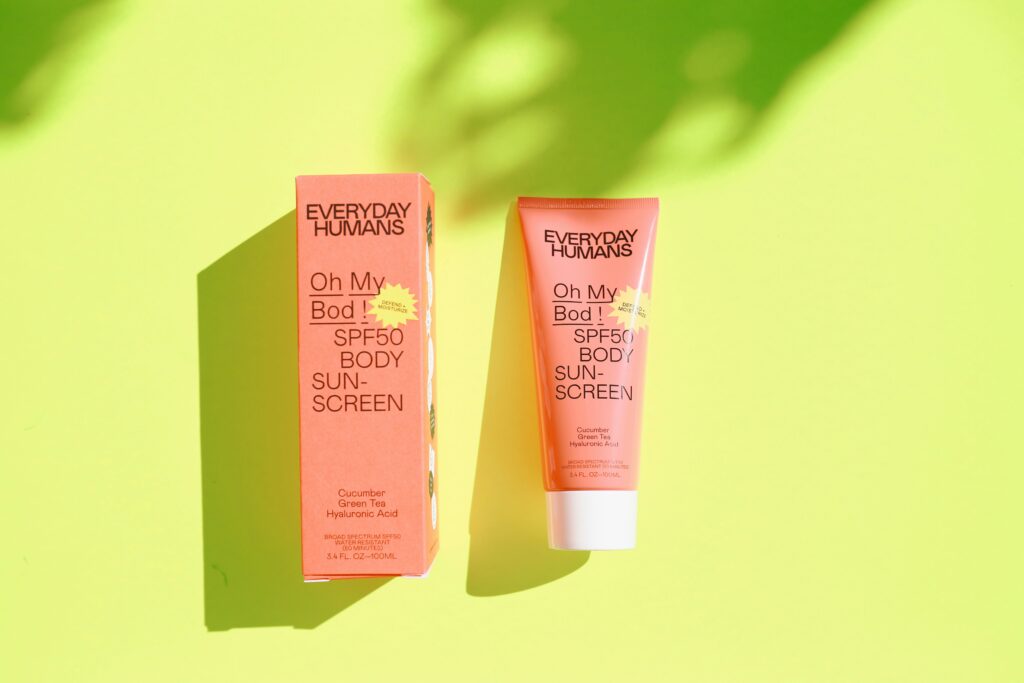
A sunscreen packaging refers to how a sunscreen product is contained, protected, and dispensed, typically categorised by packaging format, material selection, and application method. Common formats include tubes, sticks, roll-ons, and pump bottles, each designed to suit different sunscreen textures, usage scenarios, and consumer preferences.
Unlike general cosmetic packaging, sunscreen packaging must address several performance-critical requirements. Sunscreen formulations are often UV-sensitive and can degrade when exposed to light, heat, or air. Packaging must therefore provide effective protection against oxidation, preserve active ingredients, and maintain consistent SPF performance over time.
Hygiene and dosage control are equally important. Sunscreen is applied repeatedly, often in outdoor environments such as beaches, sports fields, or worksites. Packaging must allow clean, controlled dispensing to reduce contamination while helping users apply the correct amount for effective sun protection.
In the sections below, we explore the most common sunscreen packaging types used in the Australian market — including soft tubes, squeeze tubes, roll-on bottles, stick containers, and airless pump bottles — and explain when each format works best for different products and use cases.
Common Sunscreen Packaging Types (By Format)
Sunscreen Tubes
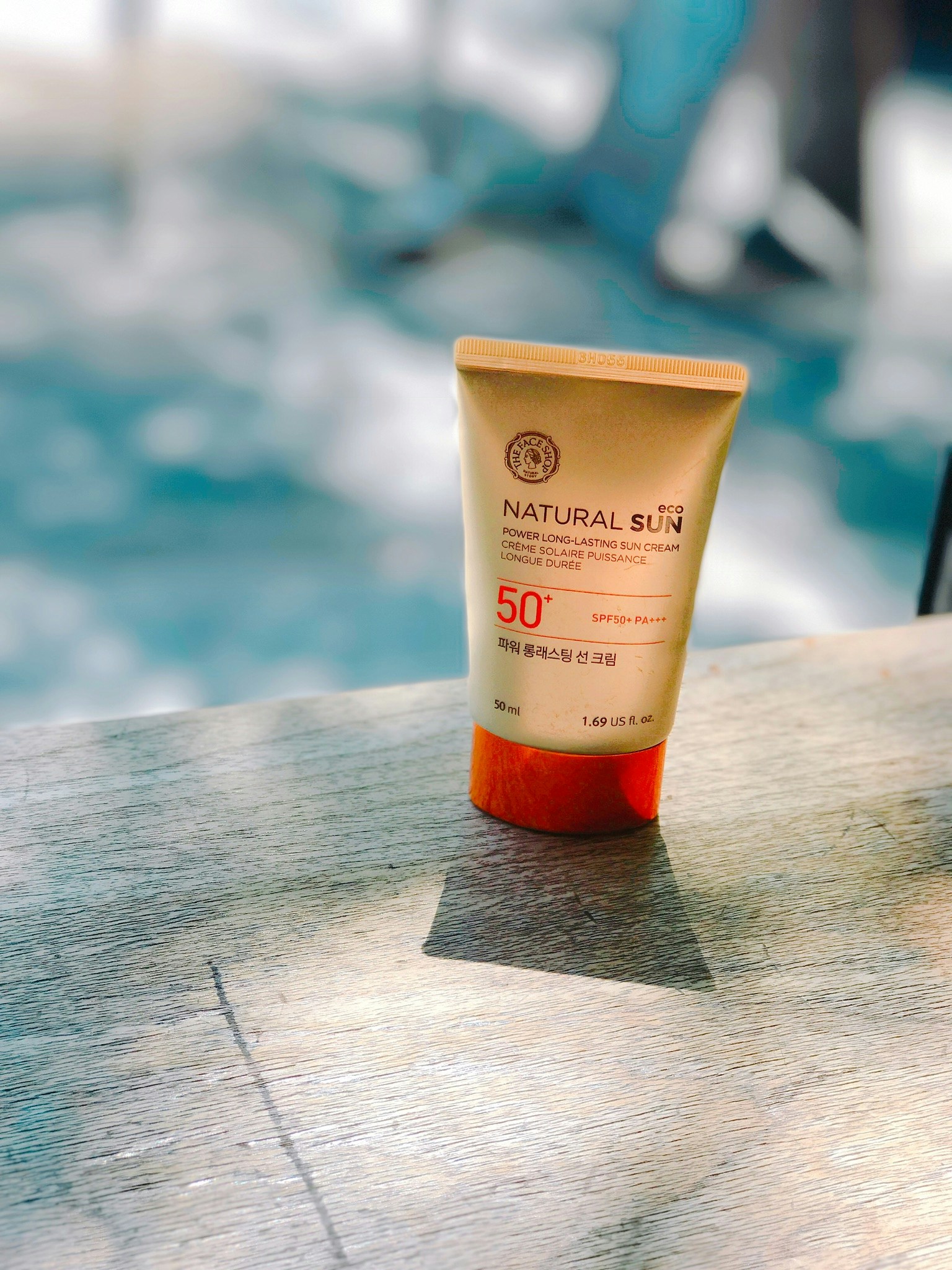
Sunscreen tubes are the most widely used packaging format for lotions, creams, and gel-based formulas. They are lightweight, easy to squeeze, and offer good control over dosage, making them suitable for both retail shelves and everyday use.
Common materials include PE, PCR plastic, and laminated tubes, allowing brands to balance flexibility, durability, and sustainability. Tubes are especially popular for travel-size, family-friendly, and beach-use sunscreens.
Sunscreen Bottles
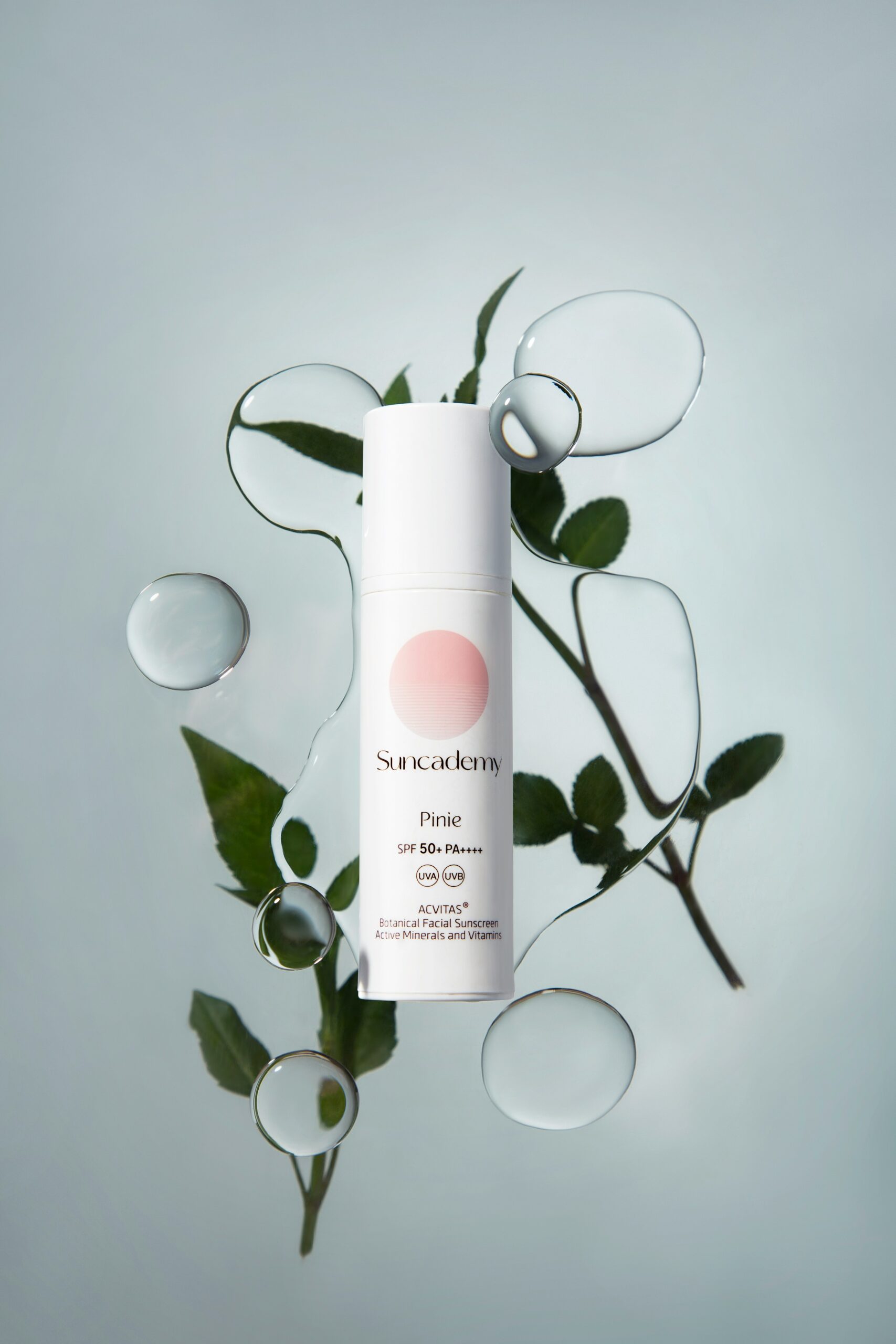
Sunscreen bottles are typically used for liquid or spray formulations and are available with flip-top caps, pump dispensers, or spray heads. This format works well for larger volumes and shared use, such as family or beach products.
Bottles provide strong shelf presence and are ideal for brands offering high-SPF or multi-use sunscreen lines designed for extended outdoor exposure.
Airless Pump Sunscreen Packaging
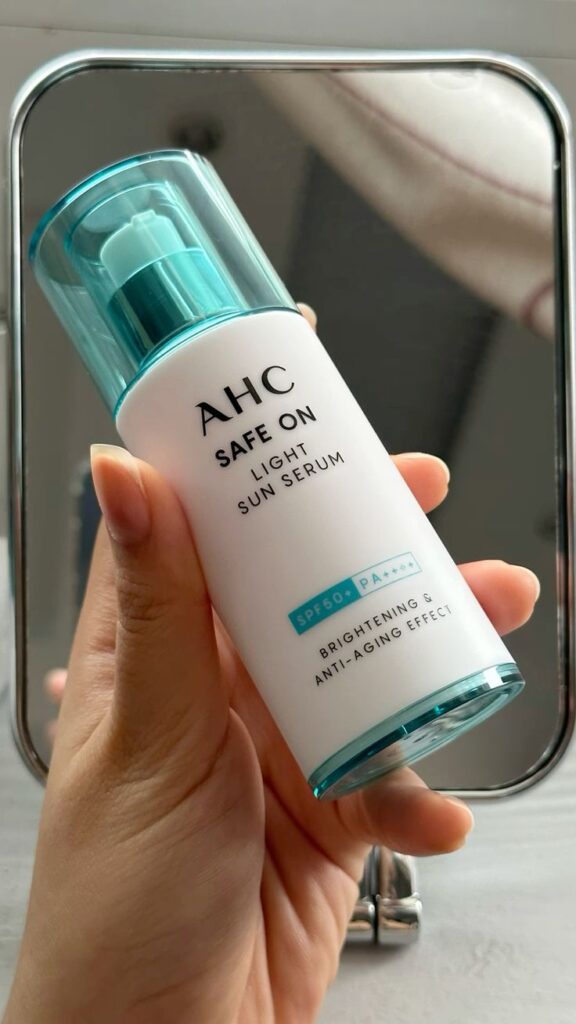
Airless pump packaging is designed to protect sunscreen formulas from air exposure, reducing oxidation and contamination. This makes it particularly suitable for mineral sunscreens, sensitive-skin formulas, and premium skincare-sunscreen hybrids.
With controlled dispensing and a clean, modern appearance, airless pumps support precise application and premium brand positioning.
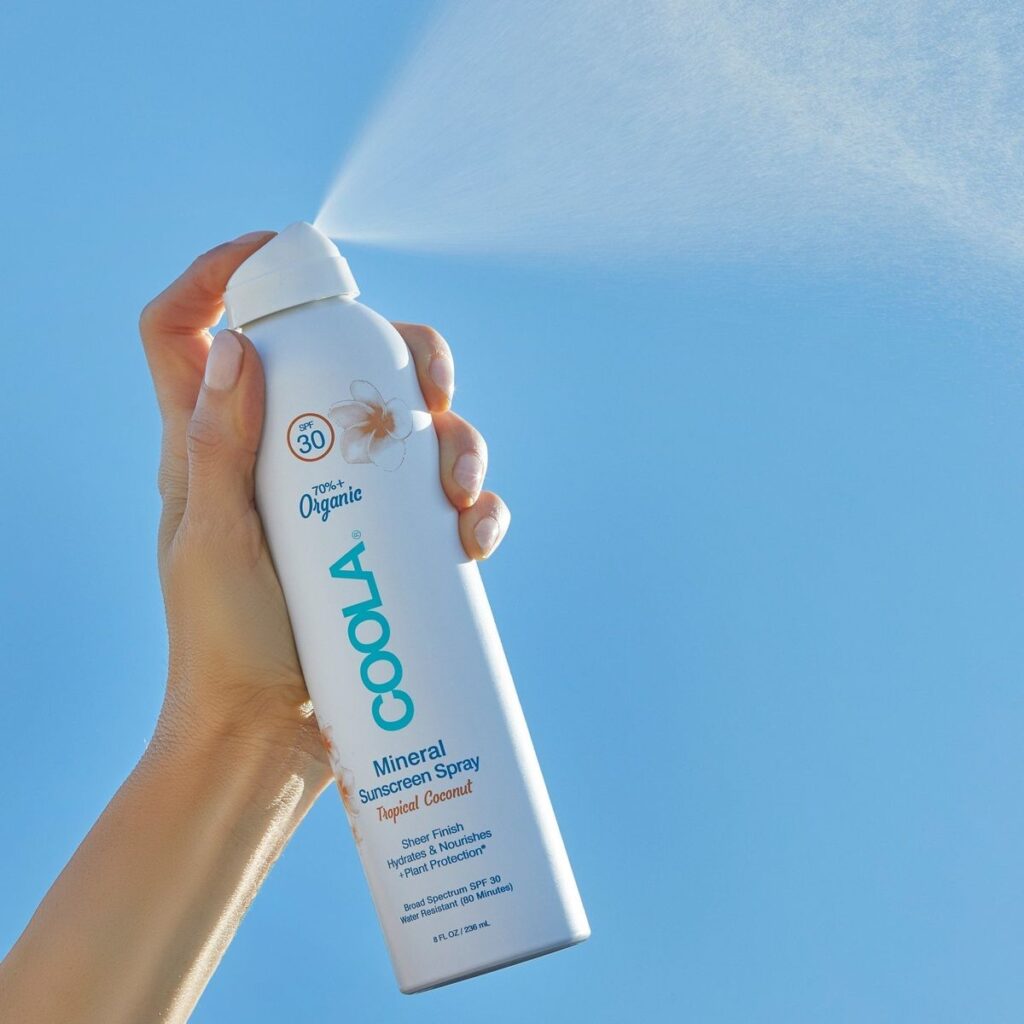
Spray packaging offers fast, hands-free application, making it popular among sports, outdoor, and active-lifestyle users. Options include continuous spray and trigger spray bottles.
This format requires carefully engineered nozzles and leak-proof construction to ensure consistent spray performance and safe transport in warm conditions.
Stick Sunscreen Packaging

image from ohlolly.com
Stick packaging is used for solid sunscreen formulas and features twist-up containers for targeted application. It is ideal for the face, lips, nose, ears, and other high-exposure areas.
Compact, mess-free, and highly portable, sunscreen sticks are especially popular for kids, athletes, and on-the-go users.
Sunscreen Sachet Packaging
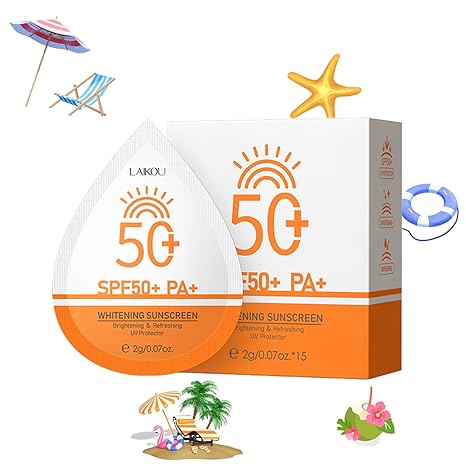
image from Okerker
Sunscreen sachets are single-use or limited-use formats commonly used for sampling, promotions, travel kits, and hotel or event distribution.
Sachet packaging offers a cost-effective way for brands to introduce new formulas, encourages trial, or supports short-term campaigns without committing to full-size packaging.
Common Sunscreen Packaging Types in Australia
| Packaging Type | Ideal Formulas | Common Sizes (mL/g) | Key Benefits |
| Tubes | Creams, lotions, gels | 30, 50, 100, 200 mL | Lightweight, squeezable, travel-friendly |
| Bottles | Liquid / spray sunscreens | 100, 200, 250, 500 mL | Large capacity, shared use, shelf presence |
| Airless Pumps | Mineral & sensitive formulas | 30, 50, 100 mL | Prevents oxidation, precise dispensing, premium |
| Sprays | Lightweight fluids for sports / active use | 100, 150, 200, 250 mL | Hands-free, quick application |
| Sticks | Targeted use: face, lips, nose | 8–20 g | Mess-free, portable, precise |
| Sachets | Sampling, travel, promotions | 3–10 mL/g | Cost-effective, trial-friendly |
Sunscreen Packaging Types by Use Case
Selecting the right sunscreen packaging type depends on where the product is sold, how it is used, and the role it plays in your marketing strategy. Below are the most common sunscreen packaging applications across retail, travel, and promotional channels.
Retail Sunscreen Packaging
Retail-focused sunscreen packaging prioritises shelf impact, durability, and regulatory compliance. Formats such as tubes, bottles, airless pumps, and sticks provide ample branding space for logos, SPF information, usage instructions, and compliance-ready labelling.
Strong visual presentation helps products stand out in pharmacies, supermarkets, and specialty retail environments, while robust construction ensures performance under Australia’s high-temperature conditions.
Travel & Mini Sunscreen Packaging
Travel and mini sunscreen packaging is designed for portability and convenience. Compact tubes, sticks, and small pump bottles are ideal for on-the-go consumers, beach bags, handbags, and travel kits.
These formats support controlled dispensing, reduce product waste, and are commonly used in discovery sets, seasonal packs, and lifestyle-focused sunscreen ranges.
Promotional & Sampling Packaging
Promotional sunscreen packaging is primarily used to drive trial and brand awareness. Sachets, mini tubes, and tester bottles allow consumers to experience the formula before purchasing a full-size product.
This format is especially effective for new product launches, event giveaways, hotel amenities, and outdoor marketing campaigns, offering a cost-efficient way to reach high-volume audiences.
Materials Used in Sunscreen Packaging
Sunscreen packaging materials are selected to balance formula protection, user safety, durability, and sustainability—especially important in Australia’s high-UV and warm climate. Below are the most common materials used across sunscreen packaging types.
Plastic (PE, PP, PET, PCR)
Plastic remains the most widely used material for sunscreen packaging due to its lightweight nature, flexibility, and cost efficiency.
PE (Polyethylene) is commonly used for soft tubes and squeeze bottles, offering good chemical resistance and easy dispensing.
PP (Polypropylene) is often used for caps, closures, and rigid containers because of its strength and heat resistance.
PET (Polyethylene Terephthalate) is popular for bottles and spray formats, providing clarity and durability.
PCR plastic (Post-Consumer Recycled) allows brands to reduce virgin plastic use while maintaining performance, supporting sustainability commitments.
Aluminium
Aluminium is typically used in spray sunscreen packaging and premium formats. It offers excellent protection against light and oxygen, helping preserve formula stability. Aluminium packaging also delivers a sleek, high-end appearance and is widely recyclable, making it attractive for premium or eco-conscious sunscreen brands.
Laminated Structures
Laminated materials are commonly used in sunscreen tubes and sachets, combining multiple layers to enhance barrier protection. These structures help prevent UV exposure, moisture ingress, and oxidation, ensuring consistent performance and extended shelf life—particularly important for high-SPF and sensitive-skin formulations.
Sustainability Considerations
Sustainability is an increasingly important factor in sunscreen packaging selection. Brands are adopting:
Recyclable mono-material designs
PCR-content plastics
Lightweight packaging to reduce material use and transport emissions
Choosing the right material not only protects the product but also aligns with Australian consumers’ growing expectations for responsible, environmentally conscious packaging.
Key Design & Functional Requirements for Sunscreen Packaging
Sunscreen packaging must perform reliably in high-UV, outdoor, and heat-intensive environments, making functional design just as important as visual appeal.
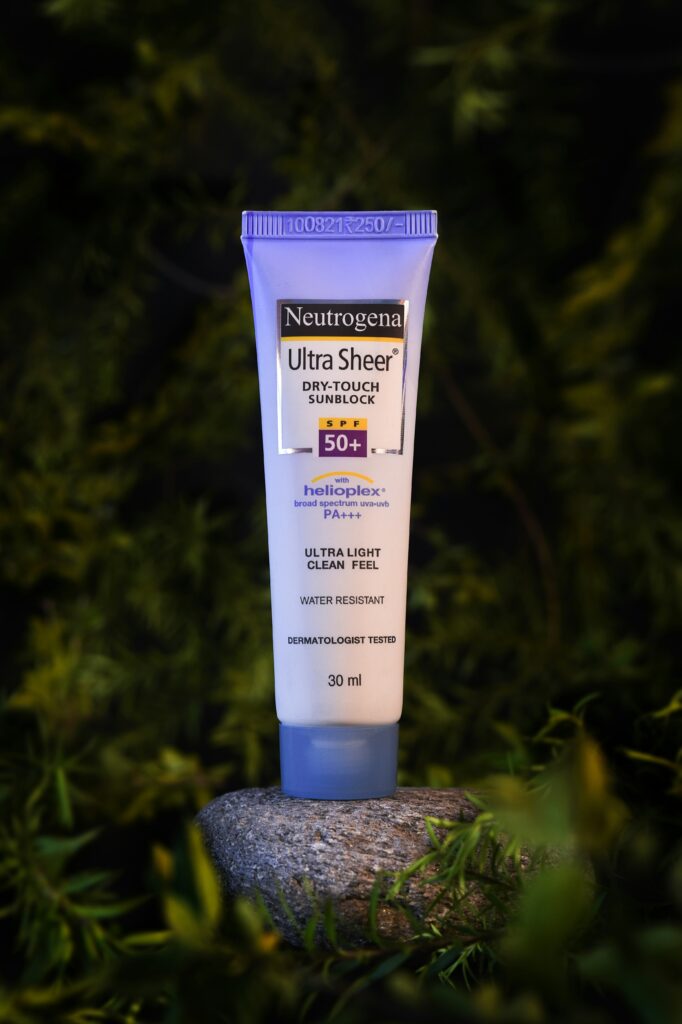
UV Protection & Formula Stability
Packaging should shield formulas from UV exposure, air, and oxidation to maintain SPF effectiveness and product integrity over time—especially critical for mineral and sensitive-skin sunscreens.
Leak Resistance & Heat Durability
Sunscreen products are often carried in beach bags, backpacks, and cars. Secure seals, reinforced closures, and heat-resistant materials help prevent leakage and deformation in warm conditions.
Easy Dispensing with Wet or Sandy Hands
Flip caps, pumps, roll-ons, sprays, and stick formats are designed for quick, controlled application—even with wet or sandy hands—improving user experience during outdoor activities.
Child Safety & Robust Construction
For family and kids’ sunscreens, durable packaging and child-safe designs reduce the risk of spills, breakage, or misuse during everyday handling.
Clear Labelling & Compliance Space
Sunscreen packaging must provide sufficient space for SPF ratings, usage instructions, ingredient lists, and regulatory information required for the Australian market, ensuring clarity and compliance at point of sale.
Sustainability Trends in Sunscreen Packaging
Sustainability is becoming a core expectation for sunscreen brands, particularly as Australian consumers grow more conscious of environmental impact.
PCR Plastic Tubes & Bottles
Post-consumer recycled (PCR) plastics are increasingly used to reduce reliance on virgin materials while maintaining durability and performance.
Refillable Sunscreen Packaging
Refill systems and reusable containers support long-term waste reduction and appeal to eco-conscious consumers seeking sustainable alternatives.
Lightweight Packaging Design
Reducing material thickness and overall packaging weight lowers resource consumption and transport emissions without compromising functionality.
Recyclable Mono-Material Structures
Simplified mono-material designs improve recyclability and support circular economy goals, aligning with evolving sustainability standards in Australia.
By combining functional performance with responsible material choices, sunscreen brands can meet both consumer expectations and environmental commitments—without sacrificing product protection or usability.
Sunscreen Packaging Considerations for the Australian Market
Australia has one of the most demanding sunscreen markets in the world. With high UV exposure, an outdoor lifestyle, and strong consumer awareness of sun protection, sunscreen brands need packaging that does more than simply hold the product. The right packaging should protect the formula, support convenient daily use, and reflect the quality and values of the brand.
When selecting sunscreen packaging for the Australian market, brands should consider several key factors:
Protection Against Heat and UV Exposure
Sunscreen products are often used outdoors, including at beaches, pools, sporting events, and during travel. This means packaging needs to withstand challenging conditions such as heat, sunlight, and frequent handling.
High-quality sunscreen packaging should help:
- Maintain product stability during storage and transportation
- Prevent leakage or deformation in hot environments
- Protect the formula from unnecessary exposure to external conditions
- Remain durable for outdoor and travel use
For sunscreen products designed for Australian consumers, packaging materials and structures should be selected with real-world usage scenarios in mind.
Convenience for Outdoor and Everyday Use
Australian consumers often apply sunscreen multiple times throughout the day, making usability an important packaging consideration.
Different packaging formats serve different usage needs:
- Sunscreen tubes are popular for face and body sunscreens because they are lightweight, portable, and easy to apply.
- Sunscreen sticks provide a mess-free solution for targeted areas such as the face, nose, and lips, making them suitable for outdoor activities.
- Pump bottles and larger containers are often preferred for family-size products or daily home use.
Packaging design should match the product application method and the lifestyle of the target customer.
Meeting Consumer Expectations for Sustainable Packaging
Sustainability has become an increasingly important consideration for Australian skincare consumers. Many customers are looking beyond product performance and evaluating how packaging choices align with environmental responsibility.
Brands are increasingly exploring options such as:
- PCR (post-consumer recycled) plastic packaging
- Recyclable packaging materials
- Lightweight packaging designs to reduce material usage
- Mono-material packaging structures that simplify recycling
However, sustainability should also be balanced with product protection, durability, and practical usability. The most suitable solution depends on the product type, target market, and brand positioning.
Supporting Premium Brand Positioning
In Australia’s competitive skincare market, packaging plays an important role in helping brands differentiate themselves. Sunscreen is no longer viewed only as a functional product; many brands are positioning it as part of a broader skincare routine.
Premium packaging elements can include:
- Custom colours and finishes
- High-quality printing
- Unique bottle or tube shapes
- Minimalist or luxury design styles
- Consistent packaging across product ranges
Well-designed packaging helps communicate brand values and creates a stronger connection with consumers at the point of purchase.
Considering Retail and Distribution Requirements
Sunscreen products are sold through various channels in Australia, including pharmacies, supermarkets, beauty retailers, online stores, and direct-to-consumer platforms. Each channel may have different packaging requirements.
Brands should consider:
- Shelf appearance and product visibility
- Packaging durability during transportation
- Label space for product information and compliance details
- Packaging sizes suitable for different customer groups
- Efficient storage and shipping requirements
Choosing packaging early in the product development process can help brands avoid challenges during manufacturing, distribution, and retail expansion.
For sunscreen brands entering or growing in the Australian market, packaging selection is not only a design decision—it is a strategic choice that influences product protection, customer experience, sustainability goals, and brand perception. Working with an experienced packaging partner like Primepac helps brands evaluate different formats, materials, and customisation options to develop packaging that fits both market expectations and product requirements.
How to Choose the Right Sunscreen Packaging Type for Your Brand
Choosing the right sunscreen packaging type is a strategic decision that impacts product performance, brand perception, and commercial success. The ideal packaging should support your formula, align with your market positioning, and meet sustainability expectations.
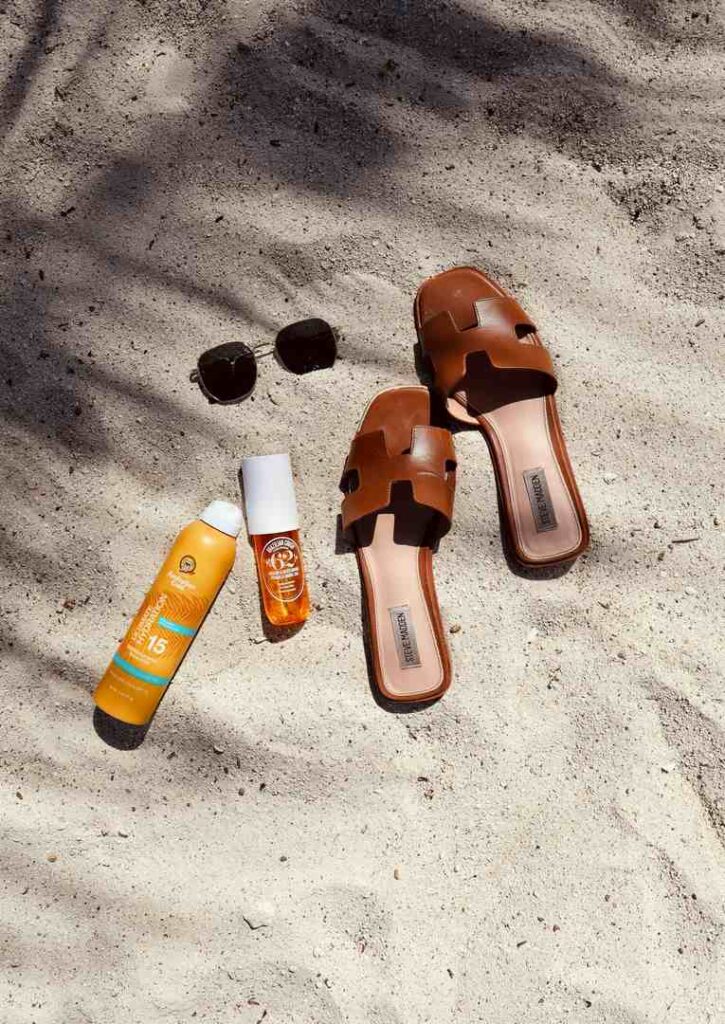
Formula Texture & Viscosity
The physical consistency of your sunscreen plays a key role in packaging selection. Thicker creams and lotions are best suited to tubes or pump bottles, while lightweight fluids and sprays require bottles designed for controlled, even dispensing.
Target Market & Use Case
Consider where and how your sunscreen will be used. Retail packaging prioritises shelf impact and compliance labelling, travel formats focus on portability, and promotional packaging emphasises cost efficiency and ease of distribution.
Branding Goals
Packaging should reflect your brand identity, whether you’re positioning for mass-market accessibility or premium performance. Format, material, and finish all influence how your product is perceived.
Cost vs Premium Positioning
Tubes and sachets offer economical solutions for high-volume products, while airless pumps, spray systems, and premium materials support higher price points through enhanced protection and presentation.
Sustainability Targets
PCR plastics, recyclable mono-material designs, refillable options, and lightweight construction help brands meet Australia’s growing sustainability expectations without compromising performance.
Quick Decision Checklist:
Tube or bottle?
Pump or spray?
Full-size or mini?
Recyclable or refillable?
……
Sum up — Choosing the Right Sunscreen Packaging Type Is a Competitive Advantage
Sunscreen packaging plays a critical role in product performance, consumer trust, and sales success. Different packaging types serve different brand objectives—from mass retail and travel convenience to premium positioning and sustainability leadership. By choosing the right format, materials, and dispensing system, brands can enhance usability, protect formulations, and stand out in Australia’s highly competitive sun-care market.
FAQs About Sunscreen Packaging
Q1: Which sunscreen packaging lasts longest in Australia’s heat?
A: Airless pumps and aluminium tubes provide maximum protection against heat and UV exposure.
Q2: Does packaging affect SPF performance?
A: Yes. UV-sensitive formulas degrade if exposed to light, air, or heat. Proper packaging ensures consistent SPF protection.
Q3: What’s the best sunscreen packaging for travel?
A: Compact tubes, sticks, and small pump bottles are convenient, leak-resistant, and airline-friendly.
Custom Sunscreen Packaging Solutions by Primepac
Primepac provides end-to-end custom sunscreen packaging for brands in Australia:
– Formats: Tubes, bottles, airless pumps, sprays, sticks, sachets
– Branding & Decoration: Labels, foil stamping, boxes, sleeves
– Materials: PCR plastics, recyclable mono-materials, aluminium, lightweight designs
– Service: One-stop solution from material selection to production and delivery
Contact Primepac today to design your perfect sunscreen packaging — functional, sustainable, and ready for the Australian market.