
Sunscreen is one of the few cosmetic products designed to be used in the harshest everyday conditions — heat, direct sunlight, water, sand, and constant reapplication. For Australian sun care brands, sunscreen packaging is not just about presentation; it must function reliably where and how the product is actually used.
Sunscreen squeeze bottles are a widely adopted packaging format, particularly for body, family, and outdoor sun care products, where durability and ease of dispensing are key. Whether applied at the beach, on the sports field, or during daily routines, squeeze bottles allow users to dispense the right amount quickly, minimise mess, and keep the product protected between applications.
For brands, this format offers a proven structure that supports formula stability, clear regulatory labelling, and strong shelf presence — while remaining cost-effective and adaptable across different SPF ranges, sizes, and consumer segments.
What Is a Sunscreen Squeeze Bottle?
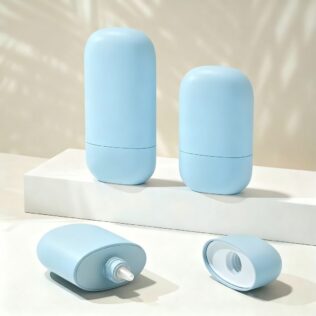
A sunscreen squeeze bottle is a flexible plastic bottle designed to dispense lotion or cream-based sunscreen through gentle pressure.
Unlike rigid containers, the bottle walls compress easily, allowing controlled dispensing even with thicker SPF formulas.
Common Capacities Used in Sunscreen Squeeze Bottles
Sunscreen squeeze bottles are available in a wide range of sizes, including:
- Travel and face formats: 30 ml – 50 ml
- Daily and body use: 100 ml – 150 ml
- Family and outdoor use: 200 ml and above
This flexibility makes squeeze bottles a reliable choice for brands offering multiple SPF products across different use cases. Smaller formats are often aligned with travel, face-specific, or trial use, while larger sizes support family and high-frequency outdoor application.
Sunscreen Squeeze Bottle vs Other Sunscreen Packaging Formats
Choosing the right sunscreen packaging format is not only a branding decision—it directly affects formula stability, dispensing control, manufacturing efficiency, and user experience. Below is a comparison of sunscreen squeeze bottles versus other common packaging types.
Squeeze Bottle vs Tube Packaging
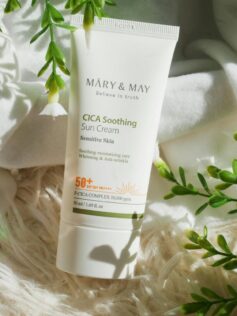
From a structural perspective, squeeze bottles are typically designed with more rigid structural geometry than tubes, allowing them to retain shape more consistently across larger fill volumes and repeated outdoor handling.
While lighter and more compact, some tube formats may show creasing over time depending on material, wall structure, and usage pattern. Squeeze bottles maintain form integrity longer, which supports cleaner dosing and better shelf presentation throughout the product’s lifecycle.
Squeeze Bottle vs Airless Pump Packaging
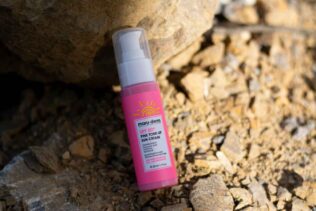
Airless pumps can reduce oxygen exposure, but sunscreen stability is also influenced by heat, UV exposure, and formulation design.
Squeeze bottles:
- Do not rely on valves or pistons
- Are less prone to clogging with mineral or thick SPF formulations
- Allow faster filling and higher production efficiency
For brands prioritising robust performance and cost control, squeeze bottles provide a simpler, more forgiving solution.
Squeeze Bottle vs Spray Packaging
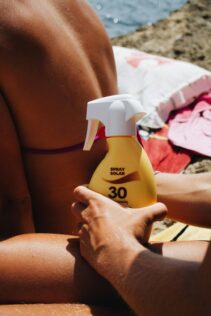
Spray packaging requires precise nozzle engineering and is best suited for low-viscosity liquids. Cream-based sunscreens often struggle to atomise evenly, leading to inconsistent coverage or nozzle blockage.
Squeeze bottles offer:
- More predictable application: Sunscreen is dispensed directly onto the hand or skin, rather than atomised into the air.
- Greater control over dosage: Helps users apply an adequate amount, reducing the risk of under-application often associated with sprays.
- More consistent coverage: Supports proper SPF performance by allowing users to spread the product evenly and visibly.
- Reduced product loss: Avoids overspray, drift, and airborne waste common with sunscreen spray packaging, ensuring more product reaches the skin.
When a Squeeze Bottle Is the Better Commercial Choice
From a commercial and technical standpoint, squeeze bottles are ideal when:
- The formula is cream or lotion-based
- High durability is required for outdoor or family use
- Production efficiency and scalability matter
- Brands need a cost-effective yet reliable packaging format
For many Australian sunscreen brands—especially those targeting sport, beach, or family markets—squeeze bottles strike the right balance between performance, practicality, and brand confidence.
Common Sunscreen Squeeze Bottle Use Cases
Beach & Family Sunscreen
Squeeze bottles are a natural fit for family and beach sunscreen ranges, where ease of use and durability matter most. Larger volume formats allow for repeated, full-body application, while flexible bottles enable quick, one-hand dispensing—ideal for busy outdoor settings. Robust bottle construction and secure closures help prevent leaks in beach bags, esky coolers, and car storage.
Sport & Active Sunscreen
For sport and active lifestyles, squeeze bottle packaging prioritises grip, control, and reliability. Ergonomic shapes and textured finishes improve handling with wet or sweaty hands, while secure caps reduce the risk of accidental opening during movement. High-visibility colours and bold branding support strong shelf impact and easy product identification in outdoor environments.
Daily Face & Lifestyle SPF
In daily-use and lifestyle sunscreen ranges, squeeze bottles take on a more refined role. Compact sizes suit handbags, gym bags, and everyday carry, while cleaner silhouettes and premium finishes align with modern skincare branding. These formats balance practicality with aesthetics, making them ideal for face-focused SPF products positioned alongside cosmetic and skincare lines.
Materials Used in Sunscreen Squeeze Bottles:PE vs PCR vs PET
| Material | Key Benefits | Best For | Sustainability Impact |
| PE (Polyethylene) | Flexible, easy to squeeze, cost-effective, good chemical resistance | Lotion & cream sunscreens, high-volume retail lines | Recyclable; lowest unit cost |
| PCR Plastic | Comparable performance to virgin PE when specified at controlled PCR percentages, with potential trade-offs in colour consistency or surface finish. | Brands with sustainability positioning | Reduces virgin plastic use; strong eco signal |
| PET | Rigid structure, high clarity, premium appearance | Lifestyle SPF, face sunscreen, design-led ranges | Recyclable; higher perceived value |
How Primepac Sources the Right Materials for Sunscreen Brands
At Primepac, we help sunscreen brands select materials based on real-world use, formula behaviour, and brand positioning—not just appearance.
Our sunscreen squeeze bottle solutions include:
- Standard PE bottles for cost-efficient, high-volume sun care ranges
- PCR squeeze bottles to support sustainability targets without sacrificing performance
- PET options for premium or design-focused SPF products
All materials are:
- Suitable for Australian climate conditions
- Compatible with sunscreen formulations
- Available across multiple sizes, wall thicknesses, and cap styles
Which Material Suits Your Sunscreen Range? (Quick Guide)
- Choose PE if:
You need flexible, easy-to-squeeze bottles
Your product targets families, beach use, or sport
Cost efficiency matters at scale
- Choose PCR Plastic if:
Sustainability is a key brand message
You want recycled content with familiar performance
Your customers value eco-conscious packaging
- Choose PET if:
Shelf appeal and clarity are priorities
Your sunscreen targets face, lifestyle, or premium use
A more rigid, refined look supports your brand positioning
Not sure which material fits your formula or market?
Primepac’s team provides material consultation as part of our custom sunscreen packaging service—helping Australian brands balance performance, sustainability, and commercial goals.
Dispensing Control & User Experience
Accurate Dosing for Effective SPF Application
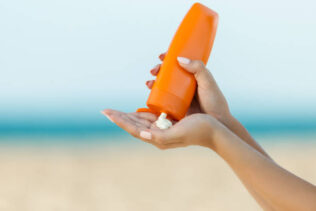
In sunscreen packaging, dispensing control is a functional requirement—not just a usability feature. Squeeze bottle performance is influenced by a combination of material flexibility, bottle geometry, neck finish, and orifice diameter, all of which determine how consistently sunscreen is dispensed with each squeeze.
Properly specified squeeze bottles allow brands to manage flow rate and dosing behaviour across different viscosity ranges, from fluid lotions to thicker SPF creams. Controlled dispensing supports more predictable application, helping users apply an adequate amount of sunscreen without excessive waste or mess. From a brand perspective, this contributes to consistent product performance, reduced misuse, and stronger consumer trust in SPF efficacy.
Shape Recovery Under Repeated Use and Heat Exposure
Sunscreen squeeze bottles are routinely exposed to high temperatures, compression, and repeated handling, particularly in beach, sport, and outdoor environments. To maintain functional performance throughout the product lifecycle, bottle design must balance wall structure, panel reinforcement, and material resilience.
Well-engineered squeeze bottles are designed to recover their shape after each use, preventing permanent collapse, uncontrolled air intake, or irregular flow as the product empties. Factors such as panel layout, base stability, and closure sealing all contribute to long-term usability. Reliable shape recovery ensures consistent dispensing from first use to last, protecting user experience, product integrity, and overall brand credibility in demanding real-world conditions.
Regulatory & Compliance Considerations
Sunscreen packaging in Australia must support clear, compliant communication to meet both regulatory and consumer expectations. Depending on product claims and SPF level, sunscreens may be regulated as therapeutic goods under the TGA or as cosmetics, making accurate labelling and sufficient panel space essential.
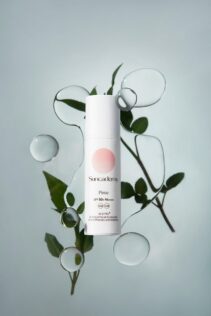
Squeeze bottle packaging should accommodate all mandatory information, including:
– SPF rating and active ingredients
– Directions for use and application guidance
– Required warnings and safety information
– Batch codes, expiry dates, or PAO (period after opening) symbols
Careful consideration of bottle geometry, label panel size, and decoration method ensures compliance while maintaining a clean, professional shelf presentation.
For products making environmental or reef-related claims, packaging must allow room for accurate, substantiated messaging that aligns with Australian Consumer Law and regulatory scrutiny. Claims should be verifiable and directly linked to the product or packaging attribute—such as recycled content or recyclable materials. Broad statements like “eco-friendly” or “sustainable” should be avoided unless independently validated. Packaging that complies with APCO or ARL labelling standards further strengthens credibility and consumer trust.
Addressing regulatory and compliance requirements early in the packaging design process helps brands avoid costly revisions, ensures smoother approvals, and guarantees that sunscreen squeeze bottles perform effectively across retail, therapeutic, and promotional channels. Partnering with a packaging supplier experienced in Australian sun care regulations ensures that both functional and legal requirements are met without compromising on brand presentation or usability.
Design & Branding Opportunities
Shape, Ergonomics & Shelf Impact
Modern sunscreen packaging emphasises ergonomic and performance-driven design. Contoured silhouettes, textured panels, and flat or triangular sides improve grip for wet or sandy hands and reduce accidental slips during outdoor use. For high-volume and family formats, stability and stackability remain essential to prevent tipping or deformation in retail and consumer settings.
For premium or lifestyle SPF ranges, designers are increasingly leveraging slim, elegant bottle profiles with refined shoulders, gentle curves, and tactile finishes that align with skincare aesthetics while maintaining squeeze functionality. Integrating features like soft-touch panels, integrated finger grooves, or one-handed dispensing mechanisms improves user satisfaction and repeat purchase potential.
Colour Strategy & Consumer Recognition
Colour remains a powerful tool to communicate function, formula type, and brand positioning:
– High-visibility, bold colours enhance outdoor usability for sport, beach, or family sunscreens, helping consumers quickly identify SPF levels or product types in bags or crowded retail shelves.
– Muted, pastel, or frosted tones support premium, cosmetic-adjacent ranges, appealing to lifestyle or face SPF products positioned alongside skincare lines.
– Transparent or semi-transparent panels can visually communicate formula volume, consistency, or active ingredients, while maintaining UV protection where needed.
Printing, Decoration & Surface Finishes
Advances in printing and decoration offer brands flexibility to combine functionality, compliance, and brand storytelling:
– Direct printing ensures durability, clean aesthetics, and high production efficiency for large-scale runs.
– Labels and shrink sleeves provide opportunities for multi-market compliance, seasonal variations, and promotional campaigns without requiring retooling.
– Surface finishes such as matte, soft-touch, or gloss can rein
Sustainability Trends in Sunscreen Squeeze Bottle Packaging
Sustainability is now a key consideration in sunscreen packaging—especially in Australia, where consumers are highly aware of environmental impact and coastal protection.
PCR Materials (Post-Consumer Recycled Plastics)
Many sunscreen brands are shifting to PCR PE or PCR PP squeeze bottles to reduce reliance on virgin plastics. PCR materials help lower carbon footprint while maintaining the durability and flexibility required for outdoor sun care products.
Lightweight Bottle Design
Optimised wall thickness and smart structural design reduce overall plastic usage without compromising strength. Lighter bottles also lower transport emissions across the supply chain, supporting both sustainability goals and cost efficiency.
Recyclability & Mono-Material Development
Mono-material squeeze bottles—where bottle and cap use compatible plastics—improve recyclability in Australian kerbside systems. Clear labelling and simplified structures further support correct disposal.
Conclusion — Why the Right Sunscreen Squeeze Bottle Mattersfg656y
Sunscreen squeeze bottles are more than a practical container—they play a direct role in product performance, user confidence, and brand perception. From controlled dispensing and leak resistance to material choice and sustainability, every design decision affects how your sunscreen is used, trusted, and remembered.
For Australian sun care brands, selecting the right squeeze bottle helps ensure compliance, supports everyday and outdoor use, and delivers a consistent brand experience across retail and promotional channels. With the right packaging partner, squeeze bottles become a competitive advantage—balancing functionality, sustainability, and standout shelf appeal.
Custom Sunscreen Squeeze Bottle Solutions by Primepac
Primepac supports sunscreen brands with flexible, end-to-end squeeze bottle packaging solutions designed for performance, compliance, and shelf appeal.
- Custom sizes and bottle shapes
From compact daily SPF bottles to larger family and sport formats, we tailor bottle dimensions and ergonomics to suit your product and target user.
- Material options including PCR plastics
Choose from PE, PP, PET, and PCR materials to balance durability, squeeze performance, and sustainability goals for the Australian market.
- Closure and cap customisation
Secure flip-top caps, screw closures, and child-friendly options ensure leak resistance and ease of use across beach, sport, and travel scenarios.
- Full branding, labelling, and box packaging
We provide complete decoration support—printing, labels, and secondary packaging—so your sunscreen squeeze bottles arrive retail-ready and brand-consistent.
Talk to Primepac About Custom Sunscreen Squeeze Bottle Packaging
Planning your next sunscreen range or updating existing packaging? Speak with Primepac’s packaging specialists for expert guidance on materials, bottle design, sustainability options, and cost optimisation. We help Australian sun care brands develop squeeze bottle packaging that performs reliably, meets regulatory requirements, and stands out on shelf—without unnecessary complexity.