
As foot care products move further into wellness, beauty, and self-care, packaging decisions are becoming strategic rather than purely functional.
For modern brands, packaging now directly shapes:
- product positioning
- consumer perception
- retail performance
- shelf differentiation
- repeat purchase behaviour
In categories such as heel balms, tallow creams, and intensive repair treatments, formulation texture is often the key factor that determines which packaging formats are actually suitable.
Different Foot Care Formulas Require Different Packaging Strategies
One of the biggest mistakes brands make is selecting packaging based primarily on aesthetics or trending formats without considering how consumers physically interact with the formula.
Foot care products vary significantly in:
- texture
- viscosity
- oil content
- application method
- usage frequency
And these factors directly impact packaging performance.
For example:
- fast-absorbing gels require different dispensing systems than occlusive overnight balms
- oil-rich tallow creams perform better in wide-mouth jars or tins rather than pump systems
- solid balms support portable, mess-free formats compared to traditional jar-based packaging
- hygiene-led treatments often benefit from no-touch applicators such as deodorant stick or tubes
As a result, packaging selection should begin with formulation behaviour first — not decoration.
Heel Balm Packaging Is Becoming More Experience-Driven
Traditional heel balms were often packaged in highly functional pharmacy-style formats.
But consumer expectations are changing.
Today’s consumers increasingly expect products that feel:
- convenient
- hygienic
- premium
- wellness-oriented
- easy to integrate into daily routines
This has led to much broader packaging diversification across the heel balm category.
Common heel balm packaging formats now include:
- squeeze tubes
- balm sticks
- jars
- lotion bottles
- aluminium tins
Each format supports a different positioning strategy.
Tube Packaging Supports Everyday Practicality
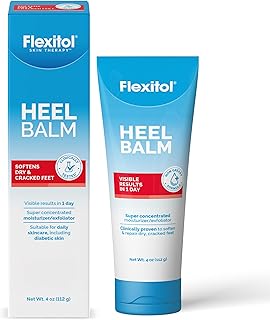
image from Amazon
Squeeze tubes remain one of the most widely used formats for heel balm products.
From a retail perspective, tubes offer several advantages:
- controlled dispensing
- portability
- lower leakage risk
- familiarity for consumers
- efficient shelf presentation
Tubes are often associated with:
- pharmacy products
- everyday moisturising
- quick application
- functional skincare
For brands targeting mass retail, pharmacy chains, or value-conscious consumers, tube packaging often aligns well with practicality-focused positioning.
Tubes also support:
- flexible sizing and format variations
- Mono-material tube options available (improves recyclability)
- lightweight structure improves logistics and reduces shipping cost and emissions
- secondary carton integration
This makes them highly scalable for growing product ranges.
Stick Packaging Supports Convenience and Lifestyle Branding

image from Amazon
Stick packaging has become increasingly popular in wellness and active lifestyle categories.
Unlike traditional squeeze formats, sticks create a more portable and mess-free application experience.
Consumers often associate stick packaging with:
- convenience
- travel-friendliness
- gym use
- quick reapplication
- targeted treatment
From a branding perspective, stick formats often feel more modern and lifestyle-oriented than traditional pharmacy packaging.
This makes them particularly effective for brands positioned around:
- wellness
- active recovery
- sports care
- natural body care
- minimalist routines
Stick packaging also creates stronger differentiation on shelf because it visually separates the product from more traditional cream formats.
Thick Formulations Like Tallow Cream Require Different Packaging Systems
One of the fastest-growing trends in Australia’s wellness and skincare market is tallow cream.
Consumers increasingly seek:
- richer moisturising products
- natural formulations
- traditional ingredient profiles
- intensive repair solutions
Tallow creams are commonly used for:
- cracked heels
- dry skin
- overnight recovery
- intensive moisturising treatments
But these formulations are much denser and more viscous than standard lotions or creams.
This creates important packaging considerations.
Because thick formulations are difficult to dispense through:
- pumps
- narrow nozzles
- lightweight squeeze systems
brands often move towards:
- glass jars
- aluminium tins
- wide-mouth containers
This improves:
- product accessibility
- dispensing comfort
- consumer usability
- application control
From a user experience perspective, the packaging must support the texture rather than fight against it.
Glass Jars Help Create Premium and Apothecary Positioning

image from Amazon
Glass jars are commonly used for premium foot repair products and tallow creams because they reinforce richer, more artisanal brand positioning.
Consumers often associate glass packaging with:
- premium skincare
- handcrafted products
- apothecary aesthetics
- clean beauty
- high-value formulations
This makes glass jars particularly effective for:
- boutique wellness brands
- organic skincare lines
- luxury body care positioning
- slow beauty branding
Glass also creates a heavier tactile experience, which can influence perceived product value.
However, brands also need to consider:
- shipping weight
- breakage risk
- retail durability
- logistics cost
Premium perception must still balance operational practicality.
Aluminium Tins Support Natural and Sustainable Branding

image from Amazon
Aluminium tins have become increasingly popular for balm-style and oil-rich formulations.
They are commonly associated with:
- sustainability
- refillability
- minimalist branding
- outdoor and wellness lifestyles
- handcrafted products
From a retail perspective, tins also create strong visual differentiation because they feel less clinical and more lifestyle-driven.
They work particularly well for:
- natural foot balms
- beeswax-based products
- tallow creams
- multi-purpose repair balms
In many cases, the packaging itself helps reinforce “natural formulation” messaging before consumers even read the label.
Secondary Packaging Still Influences Retail Positioning
Primary packaging is only part of the retail experience.
Secondary packaging also shapes:
- shelf visibility
- merchandising flexibility
- perceived value
- gifting suitability
Depending on the retail environment, brands may use:
- folding cartons
- retail hanger boxes
- premium rigid boxes
- branded labels
- display-ready packaging
For example:
- pharmacy retailers may prioritise compact hanger packaging
- boutique wellness stores may prefer minimalist cartons
- premium gifting environments may require more elevated presentation
Secondary packaging often becomes especially important for seasonal winter foot care promotions.
Texture-Led Packaging Is Becoming a Major Packaging Trend
One of the biggest shifts happening in modern skincare and foot care packaging is texture-led structure selection.
Rather than selecting packaging first and adapting the formula later, brands increasingly develop packaging systems around:
- formulation viscosity
- user interaction
- dispensing behaviour
- application rituals
- portability needs
This approach improves:
- product usability
- customer satisfaction
- retail performance
- repeat purchase likelihood
It also helps reduce consumer frustration caused by poor dispensing experiences.
In categories like intensive repair and wellness skincare, packaging functionality directly affects how consumers perceive product quality.
Packaging Is Becoming Part of the Product Experience
Modern foot care packaging no longer functions only as protection.
It now contributes to:
- emotional perception
- usability
- wellness positioning
- self-care rituals
- lifestyle branding
Consumers are increasingly evaluating:
- how products feel to hold
- how easily formulas dispense
- how hygienic application feels
- whether packaging fits into daily routines
As foot care continues evolving beyond traditional pharmacy positioning, packaging experience itself is becoming a competitive advantage.
And for brands competing in increasingly crowded retail environments, choosing the right packaging structure may influence far more than aesthetics alone.