
In foot care, packaging is often the real decision-maker on shelf.
Most consumers are not standing in a pharmacy aisle carefully comparing ingredient lists or formulation technologies. They are scanning quickly, interpreting visual cues, and trying to reduce decision effort within seconds. Research in retail behaviour consistently shows that packaging strongly influences purchase decisions in FMCG environments, particularly when consumers are unfamiliar with the brand or product category.
Eye-tracking studies have even shown that packaging affects multiple stages of decision-making — from initial attention to final product selection — meaning packaging is not simply noticed, it actively shapes consumer choice.
In foot care, this matters more than many brands realise.
Because when multiple products make similar claims like:
- intensive repair
- cracked heel treatment
- deep moisturising
- overnight recovery
Consumers often rely on packaging to decide which product feels more trustworthy, convenient, or suitable for their needs.
That means packaging is no longer just protecting the product.
It is helping consumers decide whether the product feels right before they even touch the formula.
The Real Shelf Moment: How Consumers Actually Choose
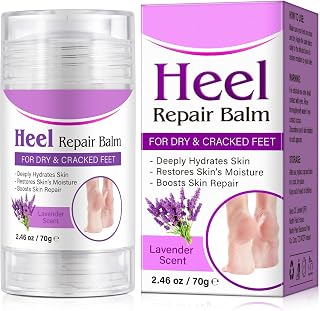
image from Amazon
Imagine you’re in a pharmacy during winter looking for something to help dry, cracked heels.
You walk into the aisle and see dozens of similar products lined up together. Most of them promise hydration, repair, or relief. At that moment, you are unlikely to stop and deeply compare every ingredient list.
Instead, you start making fast judgments based on what you can immediately interpret:
- a stick format feels cleaner and easier to apply
- a jar suggests something richer or more intensive
- a tube feels practical and familiar
- aluminium packaging feels more natural or eco-conscious
- softer colours feel more skincare-driven than clinical
Within seconds, you start narrowing options down.
This aligns with broader FMCG and beauty retail research showing that a large percentage of purchase decisions are influenced directly in-store, where packaging acts as a major point-of-purchase trigger rather than just a branding element.
In other words, packaging is not supporting the purchase decision.
It is often driving it.
And this is where many brands underestimate risk.
A strong formulation alone does not guarantee strong retail performance if consumers struggle to immediately understand:
- what the product is
- how it should be used
- whether it feels trustworthy
- whether it fits their lifestyle or routine
Especially in crowded pharmacy and wellness environments, unclear packaging can create friction before the product even gets picked up.
Consumers Associate Different Packaging Formats With Different Experiences
Packaging structure plays a major role in how consumers interpret both product value and usability.
Over time, certain formats have developed strong mental shortcuts in consumers’ minds:
| Packaging Format | Common Consumer Perception |
| Stick | Convenient, portable, easy to use |
| Roll-On | Targeted, hygienic, cooling effect |
| Tube | Practical, pharmacy-style, everyday use |
| Glass Jar | Premium, intensive care, apothecary-style |
| Aluminium Tin | Natural, minimalist, sustainable positioning |
These associations are not accidental. They are built through repeated exposure across skincare, pharmacy, and wellness categories.
And they matter because they influence:
- purchasing decisions
- perceived effectiveness
- price expectations
- trust formation
- repeat purchase behaviour
For example, consumers often assume a heel balm packaged in a jar is richer or more intensive than a similar product in a tube — even when the formulation itself may be very similar.
That perception happens before the product is tested.
This is why packaging structure should not be treated as a purely visual decision.
It directly influences how consumers emotionally position the product.
Many brands focus heavily on branding and decoration during development, but overlook how strongly packaging format itself shapes consumer expectations at shelf level.
Foot Care Is Shifting Towards Wellness Positioning
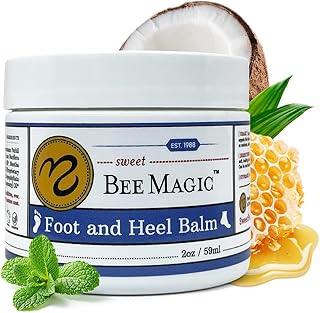
image from Amazon
Traditionally, foot care products were positioned as functional or even clinical — something you use when there is a problem.
But that positioning is changing.
Modern consumers increasingly place foot care within:
- body care routines
- self-care rituals
- wellness habits
- recovery and relaxation practices
This shift changes what “good packaging” looks like.
Instead of purely clinical design systems, consumers now expect packaging that feels:
- calmer
- more premium
- more aligned with skincare aesthetics
- more emotionally neutral or comforting
- less medicinal and more lifestyle-oriented
As a result, brands across the foot care category are gradually moving away from highly clinical packaging systems and adopting softer, more wellness-driven design approaches.
This does not mean functionality becomes less important.
It means consumers now expect packaging to balance both function and emotional appeal.
In many cases, brands entering wellness retail environments discover that packaging originally designed for pharmacy positioning may not translate effectively into modern self-care and beauty spaces.
This is why more brands are evaluating packaging positioning earlier in product development, before retail launch rather than after performance issues appear on shelf.
Packaging Can Influence Product Credibility
Consumers often use packaging as a shortcut for judging product quality.
This is especially important in foot care, where many products make similar functional claims.
In the absence of strong differentiation, packaging becomes a credibility signal.
For example:
- heavier glass jars may feel more premium and effective
- matte finishes often suggest modernity and higher quality
- minimalist design systems can imply cleaner formulations
- recyclable or mono-material packaging can reinforce wellness credibility
These signals are processed instantly and often subconsciously.
In retail environments, where consumers are making fast decisions with limited information, packaging credibility can significantly influence whether a product is even picked up.
This is not about decoration. It is about trust formation at shelf level.
Application Experience Is Becoming Part of Brand Experience

image from Amazon
Packaging doesn’t stop influencing perception at the shelf — it continues to shape experience after purchase.
How a product is opened, dispensed, and used becomes part of the brand experience itself.
This includes:
- opening experience (seal, cap, accessibility)
- dispensing control (squeeze, swipe, pump, scoop)
- grip comfort and usability
- portability in daily routines
- hygiene and cleanliness perception
- control over application amount
For example:
- a stick balm feels fast, clean, and travel-friendly
- a roll-on applicator feels targeted, cooling, and precise
- a wide-mouth jar supports richer, slower, more ritualised application
These differences are not minor. They directly shape how consumers emotionally connect with the product over time.
In wellness-driven categories, packaging becomes part of the routine — not just the container.
And routines are where loyalty is built.
Modern Foot Care Packaging Needs to Balance Emotion and Function
The most effective foot care packaging today sits at the intersection of two demands:
On one side:
- functionality
- usability
- dispensing performance
- retail visibility
- logistics efficiency
On the other side:
- emotional appeal
- wellness alignment
- aesthetic simplicity
- sustainability expectations
- lifestyle positioning
Consumers are no longer only buying products to treat dry skin or cracked heels.
They are buying products that fit into how they live:
- their self-care routines
- their wellness habits
- their expectations of convenience
- their perception of “good design”
And packaging plays a central role in shaping that decision from the very first interaction.
Because in foot care, the product is not chosen in isolation.
It is chosen through packaging — long before the formula is experienced.
Conclusion
As the foot care category continues moving into wellness and self-care spaces, packaging is becoming a much bigger part of how consumers evaluate products — both on shelf and during everyday use.
The challenge for brands today is no longer just creating effective formulations.
It is making sure packaging supports:
- retail visibility
- consumer usability
- brand positioning
- operational efficiency
- long-term product experience
Because even strong formulations can struggle if packaging creates friction through unclear positioning, poor dispensing experience, or weak shelf differentiation.
This is why many brands are starting to approach packaging earlier in the product development process — not as a final production step, but as part of the overall consumer experience strategy.
For growing foot care and wellness brands, evaluating packaging structure, materials, and application behaviour early can help reduce unnecessary revisions later while creating a smoother path into retail.
Planning a foot care product launch? Reach out for a packaging review discussion to explore the right structure, materials, and retail fit for your product range.