
Foot care is no longer a niche pharmacy category.
Across Australia and global wellness markets, foot care products are increasingly moving into beauty, self-care, sports recovery, and premium personal care spaces. From heel balms and exfoliating treatments to overnight repair creams and cooling sprays, consumers are becoming more willing to invest in products that combine effectiveness with convenience and experience.
As the category evolves, packaging is becoming a much bigger part of brand strategy.
For modern foot care brands, packaging is no longer just about containment. It now influences:
- retail visibility
- consumer perception
- product usability
- sustainability positioning
- shelf performance
- brand differentiation
And as more brands enter retail environments, the expectations around packaging continue to rise.
Retail Is Changing the Rules for Foot Care Packaging
Packaging that works for DTC does not always work in retail.
Online, brands can rely on:
- ads
- product videos
- influencer education
- customer reviews
- long-form product pages
But in retail, packaging often needs to communicate everything within seconds.
Consumers need to immediately understand:
- what the product does
- who it’s for
- how it’s used
- why it’s different
This is especially important in foot care, where many products still compete within visually crowded pharmacy and wellness aisles.
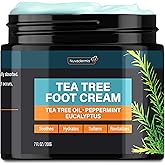
image from Amazon
Retail-ready foot care packaging needs to:
- communicate function clearly
- stand out on shelf
- support fast decision-making
- maintain durability during transport and stocking
- comply with retailer requirements
In many cases, packaging becomes the product’s primary sales tool.
Consumer Behaviour Is Reshaping the Category
Foot care products are increasingly associated with:
- wellness routines
- body care rituals
- recovery-focused lifestyles
- preventative self-care
Consumers are no longer only buying foot care products to “solve a problem.” They are also purchasing products that feel:
- premium
- hygienic
- convenient
- aesthetically pleasing
- aligned with wellness culture
This shift is changing packaging expectations.
Today’s consumers pay attention to:
- dispensing experience
- portability
- mess-free application
- sustainability
- visual branding
- packaging texture and finish
As a result, brands are moving beyond traditional pharmacy-style packaging and exploring formats that feel more aligned with modern skincare and wellness positioning.
Structural Packaging Is Becoming Part of Brand Identity
Packaging structure now plays a major role in how consumers perceive foot care products.
Different formats communicate different experiences.
Tubes
Often associated with:
- practicality
- controlled dispensing
- daily use
- portability
Stick Packaging
Commonly linked to:
- convenience
- gym or travel use
- targeted application
- mess-free experiences
Glass/Plastic Jars
Often used for:
- premium positioning
- intensive repair products
- apothecary-style branding
Aluminium Tins
Commonly associated with:
- minimalist aesthetics
- sustainability
- natural formulations
These packaging decisions influence how consumers interpret the product before they even use it.
Seasonal Demand Is Driving Product Expansion

image from Amazon
Winter seasons often create strong demand for foot repair products, particularly in Australia where colder weather can lead to:
- cracked heels
- dry skin
- irritation
- roughness
This seasonal shift creates opportunities for:
- heel balms
- overnight treatments
- intensive moisturisers
- repair creams
- recovery-focused products
As brands expand product lines to capture seasonal demand, packaging systems become more complex.
Brands often need packaging that supports:
- multiple SKUs
- seasonal launches
- retail promotions
- gift sets
- travel formats
- pharmacy merchandising
This is pushing more brands towards scalable packaging systems with consistent visual architecture.
Formulation Texture Is Influencing Packaging Selection
Another major trend in foot care packaging is formulation-driven structure selection.
Different viscosities require different dispensing solutions.
For example:
- lightweight cooling gels may suit tubes or pumps
- thicker repair balms may require wide-mouth jars
- solid balm formulas may work better in stick formats
This is particularly relevant with the rise of tallow creams and intensive repair products.
Because tallow-based formulations are often dense and difficult to dispense through narrow openings, brands commonly use:
- glass jars
- metal tins
- wide-mouth containers
This improves usability while also supporting premium or artisanal branding aesthetics.
Packaging selection is increasingly shaped by:
- formulation behaviour
- application rituals
- consumer interaction
- product texture
Not just visual appearance.
Sustainability Expectations Continue to Increase

image from Amazon
Sustainability is becoming a standard expectation in wellness and personal care categories.
Consumers and retailers are paying closer attention to:
- recyclability
- refillability
- material reduction
- mono-material structures
- PCR content
- packaging waste
Foot care brands are increasingly exploring:
- refillable jars
- recyclable tubes
- aluminium packaging
- simplified component systems
- all-plastic pumps
Especially in wellness-driven retail environments, sustainable packaging can influence both purchasing behaviour and retailer acceptance.
Retailers Are Becoming More Selective
Retailers today evaluate packaging from both branding and operational perspectives.
Packaging may need to support:
- shelf efficiency
- barcode visibility
- leakage prevention
- tamper evidence
- transport durability
- hanging display systems
- secondary packaging requirements
This is why secondary packaging remains important in many retail foot care environments.
Common secondary packaging formats include:
- folding cartons
- retail boxes with hangers
- display-ready packaging
- branded labels
Packaging must now perform across logistics, merchandising, branding, and consumer usability simultaneously.
What Modern Foot Care Brands Should Prioritise
As the category becomes more competitive, successful brands are treating packaging as part of their growth strategy rather than a final production step.
Modern foot care packaging should prioritise:
- strong shelf communication
- clear product hierarchy
- texture-compatible structures
- convenient application
- sustainability
- scalable SKU systems
- retailer compatibility
- premium consumer experience
Because in today’s retail landscape, packaging is no longer simply protecting the product.
It is helping define how the brand competes.