
Roll-on deodorant might seem simple: a bottle, a ball, a cap. Done. But any brand owner who’s ever launched one knows that simplicity is deceiving. Small details in packaging design have a huge impact on how your product performs, how customers perceive it, and ultimately, how your brand is judged.
At Primepac, this is usually where we step in. Not after things go wrong—but early, when decisions around structure, materials, and fit can still be adjusted. Because getting those details right upfront is what prevents problems later.
Why Packaging Matters for Your Deodorant Brand
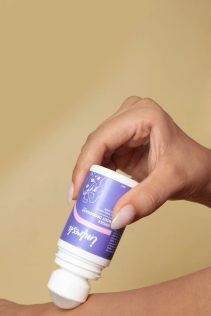
picture from Pinterest
Roll-on packaging is not just a container, it’s a performance system. Every choice affects:
– Customer experience: Smooth application and consistent dosing are non-negotiable.
– Brand perception: Materials, finish, and fit communicate premium vs budget quality instantly.
– Operational outcomes: Leaks, transport failures, or misaligned components cost time, money, and reputation.
In short: poor packaging can undo even the best formula.
How Roll-On Mechanisms Work — And Why They Fail
The Core System
A deodorant roll-on package is a simple mechanical system made up of four primary components:
- Bottle reservoir (stores the formula)
- Roller ball (dispensing interface)
- Ball housing (controls fit and rotation)
- Cap (sealing and protection)
Although structurally simple, system performance depends heavily on precision in fit, tolerance, and material interaction.
Even small deviations in component dimensions can significantly impact flow consistency and sealing performance.
Where Problems Start
Most failures originate from mechanical imbalance within the system:
- Roller ball fit and formula viscosity are key
- Over- or under-dispensing caused by poor flow control
- Leakage at the ball housing interface due to inadequate sealing
- Air ingress leading to product drying or contamination
In most cases, failures are driven by tolerance control and component fit, rather than material selection alone.
Bottles: Choosing the Right Material
The bottle is more than a container—it sets the stage for your product experience.
– Plastic (PE, PET, PP) is lightweight, durable, and cost-effective. PET can be clear and glossy, giving a more premium feel when combined with the right finishes. HDPE is flexible and squeezable, ideal for certain formulas.
– Glass offers a luxury feel and excellent chemical resistance. It’s perfect for natural or high-end deodorants, especially with frosted or coloured finishes.
– PCR or recycled plastics appeal to eco-conscious customers and support sustainability messaging.
Material choice affects formula compatibility, durability, sustainability, and even how your product feels in the hand.
Roller Balls: Tiny but Impactful
The roller ball is where user experience is defined:
- Plastic balls – lightweight, functional, and widely used
- Glass balls – stable and elegant, often for sensitive or natural formulas
A properly fitted ball ensures smooth glide, consistent flow, and a premium feel. Even minor misalignment or rough surfaces can make a product feel “off,” even if the formula is perfect.
Printing and Branding: Let Your Bottle Tell Your Story
How your bottle looks is your first impression on shelf or online. Options include:
- Screen printing – durable and cost-effective
- Hot stamping – metallic finishes for a premium feel
- UV printing – vibrant, high-definition designs
- Labels – flexible, lower MOQ options
Finish matters too: glossy for clean, simple appeal; matte or soft-touch for premium positioning; frosted for subtle sophistication.
Tip: Not all printing works on every material. Always test for durability and compatibility.
Leakage & Seal Integrity — The Biggest Risk Area
Where Leakage Happens
Leakage typically occurs at critical interface points within the system:
- Around the roller ball and housing interface
- At the thread connection between bottle and cap
- During transport due to inadequate sealing under dynamic conditions
Why It Happens
Most leakage issues are linked to structural and tolerance-related factors:
- Poor dimensional control affecting component fit
- Insufficient sealing design or material performance
- Pressure fluctuations during shipping (temperature and altitude changes)
What to Check
To ensure seal integrity, the following should be validated:
- Seal strength under static and dynamic conditions
- Cap fit and thread engagement consistency
- Drop testing and pressure testing across transport scenarios
Even minor sealing failures can result in product loss, contamination, and user dissatisfaction.
Refillable Deodorant Roll-On Packaging — Worth It or Not?
Alright, the basics are covered.
After all this, you might be wondering if there’s a more sustainable option for roll-on deodorants.
While not a brand-new invention, there are several ways to make this format more environmentally conscious. Options include using PCR or glass materials, or introducing a small design adjustment that allows the roller ball and bottle to separate for refill purposes.
Refillable roll-ons are increasingly popular in premium and natural deodorant lines because they offer more than just a green badge. They give customers a smarter, more enjoyable experience while helping your brand stand out in a crowded market.
Some brands are already leading the way:
- HAAN – sleek refillable roll-ons that make swapping pods simple and stylish.
- Wild – innovative refillable deodorant bottles designed to reduce waste and reinforce their sustainable story.
- Life Supplies – premium refillable roll-ons that combine high-performance formulas with an eco-conscious approach.
These examples show that refillables aren’t just a gimmick—they’re a strategic move.
By adopting this approach, single-use plastic and transportation impact can be reduced, contributing to a lower overall carbon footprint while maintaining a premium product experience.
For the refill format, options such as pouches or refill inserts allow for clean, efficient replacement, supporting both functionality and sustainability.
Customisation Options for Deodorant Roll-On Packaging
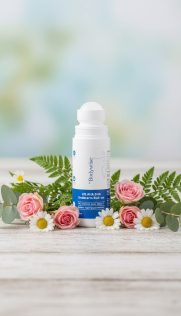
picture from Pinterest
Customisation isn’t just about making the product look good—it directly affects brand positioning, shelf impact, and user perception.
Bottle Design & Finishing Options
The bottle is the first thing users see—and often the first thing they judge.
Before the formula is tested, before the brand story is read, the packaging has already set expectations.
- Shape & Structure
The shape of the bottle influences both usability and perception:
Standard cylindrical designs for familiarity and efficiency
Custom ergonomic shapes for better grip and differentiation
Slim, travel-friendly formats vs larger capacity options
Flat or contoured surfaces to improve handling and control
- Surface Finish
Finish plays a key role in how the product is perceived:
Glossy → clean, simple, mass-market appeal
Matte → soft-touch, more premium and modern
Frosted → subtle, refined, often associated with higher-end products
- Colour Options
Colour helps communicate brand identity instantly:
Solid colours for bold, recognisable branding
Transparent designs to showcase the formula
Gradient or tinted finishes for added visual depth and differentiation
The bottle alone often determines whether your product feels “budget” or “premium”—before it’s even used.
Printing & Branding Techniques
How your branding is applied doesn’t just affect how it looks—it impacts durability, cost, and how your product is perceived over time.
- Common Options
Different printing methods offer different trade-offs between quality, cost, and flexibility:
Silk screen printing — durable and cost-effective, ideal for large production runs
Hot stamping — metallic finishes (gold, silver) that create a more premium look
UV printing — high-definition detail with vibrant colour output
Pressure-sensitive labels — flexible option with lower MOQs and faster turnaround
- Key Considerations
Choosing the right method depends on more than just appearance:
Print durability — especially important for products handled daily
Material compatibility — not all printing methods work equally well on all bottle types
MOQ and cost structure — some techniques only make sense at scale
If the print fades, scratches, or peels, it directly affects how users perceive product quality—even if the formula hasn’t changed.
Secondary Packaging (Boxes & Sets)
Boxes, cartons, or gift sets shape the first impression of your product. Consider:
- Box Types
Different formats support different positioning strategies:
Folding cartons — cost-effective, widely used for standard retail
Rigid boxes — sturdier construction for premium products or gift sets
Eco kraft boxes — natural look aligned with sustainability-focused brands
- Enhancements
Details in secondary packaging can significantly elevate perceived value:
Embossing / debossing for texture and depth
Foil stamping to highlight logos or key elements
Spot UV for contrast and visual focus
Custom inserts to secure the product and improve unboxing experience
In many cases, secondary packaging is what captures attention first—and influences the buying decision before the product is even opened.
Conclusion — Deodorant Roll-On Packaging Is Simple Only If Done Right
Roll-on deodorant packaging may look simple, but precision and attention to detail make all the difference. The right combination of materials, mechanics, printing, and sustainability ensures your product performs consistently and feels premium in the customer’s hand.
Your roll-on deodorant isn’t just a product—it’s an experience. Make sure your packaging tells the right story.
Custom Deodorant Roll-On Packaging Solutions by Primepac
Developing effective deodorant roll-on packaging requires more than choosing a bottle—it requires aligning design, materials, and functionality from the start.
Primepac supports brands with:
- Roller ball material selection based on formula and positioning
- Sealing optimisation to reduce leakage risk
- Refillable and replaceable system development
- Sustainable material sourcing aligned with brand goals
- Branding and secondary packaging solutions
If you’re developing a roll-on deodorant, getting the packaging right early will save time, cost, and user issues later.
Talk to Primepac about custom roll-on packaging solutions designed to perform reliably in real-world conditions—not just in samples.