
Introduction — Packaging Isn’t Just a Container
Deodorant stick packaging isn’t a passive container. It’s a mechanical system that controls how the product moves, applies, and survives heat, transport, and daily use.
Many brands underestimate this. They think: “solid formula → stick packaging, done.” In reality, minor misalignments between formula, mechanism, and material can ruin the user experience before the product even hits shelves.
The key takeaway: packaging isn’t just about look or convenience. It’s performance engineering — and getting it wrong can damage your product and brand reputation.
Functional Perspective — What the Packaging Actually Does
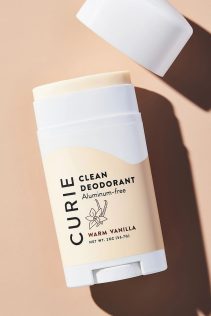
image from Pinterest
A deodorant stick is made of:
- Outer shell — defines shape, look, and grip.
- Inner platform — pushes the product upward.
- Twist-up or push-up mechanism — controls movement.
Sounds simple. But failure is easy:
- A loose platform → uneven application.
- Misaligned mechanism → stick jams or crumbles.
- Heat-sensitive material → deformation, leaks, or sticky residue.
Authority point: in most real-world tests, 80% of complaints trace back to mechanism or platform issues, not formula design.
Practical rule: treat packaging as a system. No single component works in isolation. A well-engineered stick balances all three parts with the formula and expected use conditions.
Material Selection — Performance vs Cost vs Sustainability
Material selection in deodorant stick packaging is never just a technical decision—it’s a balance between how the product performs, how much it costs, and how the brand is positioned. Choosing the wrong material can lead to issues in stability, usability, or even perception on shelf.
Common Materials
In most deodorant stick applications, a few materials dominate:
- PP (Polypropylene) — the most widely used option
Reliable, durable, and suitable for most solid deodorant formulas
Performs well across different temperatures and usage conditions
- PET (Polyethylene Terephthalate) — less common but used in certain designs
Offers a more rigid, premium feel
Often chosen for visual clarity or specific structural requirements
In practice, PP remains the default choice for most brands due to its balance of cost, performance, and availability.
What Material Choice Actually Affects
Material choice has a direct impact on how your deodorant stick behaves—not just in production, but in real-world use.
- Structural strength
Determines whether the packaging holds its shape under pressure, transport, and repeated use
- Compatibility with oils and waxes
Some deodorant formulas can interact with materials, causing softening, sticking, or degradation
- Heat resistance
Especially important in Australia, where products may be exposed to high temperatures during transport or storage
- Branding capability
Different materials affect how well you can apply finishes, colours, and printing—impacting overall shelf appeal
In short, material selection is about aligning what your product needs to do with how your brand wants to position it. The best choice is rarely the cheapest or the most sustainable—it’s the one that performs reliably in real conditions while supporting your brand story.
Formula Compatibility — The Hidden Risk Area
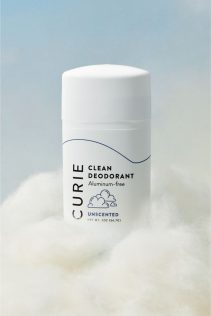
image from Pinterest
This is the part most brands underestimate.
In reality, your formula has a big impact on packaging performance than the design itself. If the two aren’t aligned, issues will show up quickly once the product hits real conditions.
Why Formula Matters More Than Packaging Design
Not all deodorant sticks behave the same. Small differences in formulation can completely change how the packaging performs.
- Wax-based vs oil-based formulas
Wax-heavy formulas tend to hold shape better, while oil-based ones can be softer and more prone to movement or leakage
- Hard vs soft sticks
Hard sticks are more stable and easier to manage, while softer sticks require more support from the packaging system
The key point:
Even a well-designed package can fail if the formula isn’t suited to it.
Common Issues
When formula and packaging don’t match, the problems are usually very visible—and very frustrating for users.
Typical issues include:
- Stick melting or softening in warm conditions
- Oil leakage affecting both performance and appearance
- Product sticking to the inner walls, making application uneven or difficult
These aren’t just minor inconveniences—they directly affect how consumers perceive your product quality.
Rule of Thumb
You don’t need to overcomplicate it—there are a few practical guidelines that go a long way:
- Softer formulas → require stronger, more stable structures
- Natural or “clean” formulas → need more testing and validation
In practice, the safest approach is to treat packaging and formula as a combined system, not two separate decisions.
Early-stage testing is generally recommended, as compatibility issues are significantly easier to address during development than after the product is in market.
Refillable Stick Packaging — Opportunity and Complexity
Refillable deodorant stick packaging is getting a lot of attention—and for good reason. It ticks all the right boxes on paper: sustainability, premium positioning, and long-term customer engagement.
But in practice, it’s one of the most challenging formats to execute well.
Why Brands Are Moving to Refillable
More brands are exploring refillable systems as part of their product strategy, driven by:
- Sustainability expectations — reducing single-use plastic and improving environmental credentials
- Brand differentiation — offering something more innovative than standard packaging
- Customer retention — refill systems naturally encourage repeat purchases
From a marketing perspective, it’s a strong story. It positions the brand as thoughtful, modern, and environmentally responsible.
How Refillable Systems Work
A refillable stick consists of two key parts:
- Outer case — engineered for long-term durability and repeated use.
- Replaceable inner refill — holds the deodorant formula.
The two are connected via a locking or alignment mechanism, which must be precise. Small tolerance issues can make the refill feel loose, jam, or misalign during use.
In short: refillable packaging is easy to market, hard to engineer. Success lies in the details.
What Brands Often Underestimate
This is where things get tricky. Most of the real challenges don’t show up until after production.
Common issues include:
- Fit tolerance — if the refill is even slightly off, it can feel loose or unstable
- User experience — refills that are hard to insert or remove quickly frustrate users
- Refill alignment — poor alignment can affect how smoothly the product advances
Refillable packaging is easy to market—but hard to execute well.
If the system doesn’t feel solid, smooth, and intuitive, consumers won’t care about the sustainability story—they’ll just see a product that’s annoying to use.
That’s why refillable stick packaging needs to be treated as an engineering problem, not just a design concept. Getting the details right is what turns a good idea into a product that actually works in everyday use.
Heat, Transport & Real-World Use
Australia’s market exposes deodorant sticks to extreme conditions:
– High temperatures — cars, bags, sunlight.
– Long transport routes — particularly for e-commerce.
– Outdoor usage — beaches, gyms, festivals.
Packaging that fails under these conditions compromises both performance and brand trust. Common failure modes include:
– Melting or softening of oil-based or natural formulas.
– Deformation — sticks losing shape or becoming uneven.
– Leakage or residue — damaging appearance and functionality.
Key takeaway: packaging designed for harsh Australian conditions will perform reliably elsewhere.
Custom Options for Deodorant Stick Packaging
– colours
– shapes: Classic Cylindrical/Oval/Rectangular/Compact
– printing options: Spray Coating /Matte Spray Coating /Metalizaiton /Hot Stamping /Screen Printing
How to Choose the Right Deodorant Stick Packaging (Simple Framework)
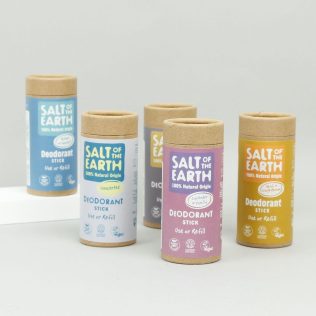
image from Pinterest
At this point, the details can feel overwhelming. Materials, mechanisms, sustainability, cost—it’s a lot to balance.
In practice, the decision becomes much clearer if you step back and ask the right questions first. Most packaging issues come from skipping this step and jumping straight into design or supplier discussions.
Key Questions
Before locking in your deodorant stick packaging, run through this checklist:
- What is your formula?
(Hard, soft, wax-based, oil-based — this determines structure and material needs)
- Where will it be used?
(Daily use, travel, gym, outdoor — affects durability and user experience)
- What is your price point?
(Premium vs mass market — influences mechanism, materials, and finish)
- Do you need refillability?
(Sustainability vs complexity — not every product needs it)
- What are your sustainability goals?
(PCR, paper, refill systems — but must still match performance requirements)
- What temperature conditions will it face?
(Especially important for Australia — heat changes everything)
- Premium or mass market positioning?
(Impacts feel, finish, and perceived quality)
- Retail or e-commerce?
(Shelf presence vs shipping durability — different priorities)
Simple way to think about it:
If you can clearly answer these questions, your packaging direction usually becomes obvious.
If you can’t, you’re guessing—and that’s where problems tend to start.
At Primepac, this is typically where we begin. Not with samples, not with designs—but with these decisions. Because once these are clear, everything else—material, structure, and production—falls into place much more smoothly.
Start Your Deodorant Stick Packaging Project
Looking to develop deodorant stick packaging that performs in real conditions?
Talk to Primepac about custom solutions designed for Australian brands — balancing performance, sustainability, and commercial success.