
Introduction — What Is ARL and Why It Matters Before You Design Packaging
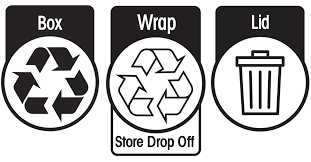
The Australasian Recycling Label (ARL) is a nationally recognised on-pack recycling labelling system developed by the Australasian Packaging Covenant Organisation (APCO). It gives consumers clear instructions on how to dispose of each packaging component correctly, such as recycle, bin, or return to store.
Unlike generic recycling claims, ARL is based on real Australian and New Zealand recycling infrastructure — not just material type. It reflects whether packaging can be collected, sorted, and reprocessed at scale.
To determine the correct ARL outcome, packaging must be assessed using the PREP (Packaging Recyclability Evaluation Portal), which evaluates how packaging performs within local recycling systems.
In simple terms: ARL is not about how packaging is designed — it’s about how it actually performs in the real recycling system.
Why Packaging Often Gets the Wrong ARL Outcome
Most ARL issues don’t come from the label itself. They come from early-stage packaging decisions made during design, sourcing, and material selection.
On the surface, packaging may look recyclable:
- Clean material choice
- Simple structure
- “Eco-friendly” appearance
But ARL evaluates the entire packaging system, including:
- Primary packaging (bottle, jar, pouch)
- Closures (caps, pumps, droppers)
- Labels and adhesives
- Coatings, inks, and sleeves
This means a small design choice can change the final ARL classification completely.
The key insight:
ARL outcomes are determined before the label is applied — during packaging design, not artwork.
7 Common ARL Packaging Mistakes (and How to Fix Them)

Most ARL failures aren’t random — they come from a handful of repeated decisions made during packaging design and sourcing.
Let’s break down the most common mistakes brands make, and more importantly, how to fix them before they turn into costly problems.
Mistake #1 — Assuming “Recyclable Material” Means Recyclable Packaging
It’s one of the most common assumptions:
“If the material is recyclable, the packaging must be recyclable too.”
In reality, it doesn’t work that way.
A PET bottle on its own might be widely recyclable.
But once you add a label, adhesive, cap, or sleeve, the outcome can change completely.
For example:
A recyclable bottle paired with a non-recyclable shrink sleeve can downgrade the entire packaging result under ARL.
Why this happens:
Recyclability is assessed as a complete system — not as individual materials in isolation.
Fix:
Design and evaluate your packaging as a full system from the start, including every component, not just the main material.
Mistake #2 — Overcomplicated Multi-Material Structures
Complex packaging structures are often created to improve performance or aesthetics, but they frequently reduce recyclability.
Common examples include:
- Multi-layer films
- Plastic-paper laminations
- Mixed polymer structures
Even if each material is technically recyclable, bonded layers cannot be separated during recycling, making the pack difficult or impossible to process.
Fix:
Where possible:
- Use mono-material structures
- Avoid unnecessary laminations
- Simplify layers to improve recyclability outcomes
Mistake #3 — Branding Choices That Reduce Sortability
Branding decisions can unintentionally affect whether packaging can be correctly sorted in recycling facilities.
Examples include:
- Full-body shrink sleeves (especially non-removable types)
- Heavy metallic inks or foils
- Certain dark or carbon-black plastics that may not be detectable in sorting systems
- Thick coatings or special finishes that interfere with processing
Why it matters
If packaging cannot be accurately identified or sorted, it may be redirected away from recycling streams.
Fix:
Balance branding with recyclability:
- Use compatible inks and finishes
- Test sleeve coverage and removability
- Select colours and materials that support sorting infrastructure
Mistake #4 — Copying Competitor Packaging Without Validation
It’s a common shortcut:
“They’re using it, so it must be fine.”
But packaging that looks identical on the outside can be very different underneath.
Even small variations can change the outcome:
- Different adhesives or coatings
- Alternative suppliers or material grades
- Outdated ARL decisions no longer aligned with current PREP guidance
The risk:
You end up applying the same design or even the same ARL label — without knowing if your version actually meets the same criteria.
In ARL, assumptions are where problems start.
Fix:
Always validate your own packaging through proper assessment.
Even if you’re benchmarking competitors, treat your structure, materials, and components as unique — and verify them accordingly.
Mistake #5 — Leaving ARL Until the Artwork Stage
This is where many projects run into last-minute problems.
Everything moves smoothly through design and sourcing —and then ARL is added right before printing.
At that point, the structure is already locked in:
- materials are confirmed
- components are ordered
- timelines are tight
The result:
There’s no room left to fix underlying issues.
That’s when brands face:
- delays while redesigning
- costly rework across suppliers
- or worse, unusable inventory
What should have been a simple label decision turns into a production problem.
Fix:
Integrate ARL assessment during:
- Concept design
- Material selection
- Structural development
ARL should guide early decisions — not final artwork.
Mistake #6 — Ignoring Small Components That Change Everything
It’s easy to focus on the main packaging material — the bottle, jar, or pouch.
But often, it’s the smaller components that determine the final ARL outcome:
- Caps and closures
- Pumps and dispensers
- Liners and seals
- Adhesives and labels
These parts may seem minor, but they can have a disproportionate impact on recyclability.
Why it matters:
Even if the primary packaging is recyclable, incompatible small components can downgrade — or completely change — the overall result.
This is especially common with:
- mixed-material closures
- non-removable pumps
- strong or incompatible adhesives
In ARL, every detail counts.
Fix:
Assess packaging as a full system:
- Ensure components are compatible within the same recycling stream
- Design for easy separation where needed
- Avoid mixed-material closures where possible
Mistake #7 — Importing Packaging Without Local Validation
Packaging designed for overseas markets may not align with Australian recycling infrastructure.
Different regions have different:
- Collection systems
- Sorting technology
- Reprocessing capabilities
What is recyclable in one country may not be recyclable in Australia under ARL.
Fix:
Validate your packaging against Australian recycling infrastructure, not global assumptions.
What matters is how the packaging performs locally — not how it’s classified elsewhere.
Practical Workflow: How to Get ARL Right from the Start

Now that you know where things typically go wrong, the next step is making sure your process avoids those pitfalls from the start.
Here’s a simple workflow to keep things moving — without costly rework.
Step 1 — Define Packaging Structure
Start by clearly outlining your packaging system:
- materials (e.g. PET, HDPE, paper, film)
- components (bottle, cap, label, liner, etc.)
- format (rigid, flexible, multi-part)
The goal is to understand exactly what you’re working with before making decisions.
Step 2 — Run PREP Assessment
Validate recyclability as early as possible.
This step helps identify:
- Recyclability outcomes
- Problem components
- Structural risks
Early validation prevents late-stage surprises.
Step 3 — Adjust Design Based on Results
Use the assessment results to refine your packaging:
- simplify materials
- replace incompatible components
- improve recyclability where possible
Small changes here can prevent major problems later.
Step 4 — Finalise Artwork Based on Confirmed Outcome
Once the structure is confirmed:
- apply the correct ARL label
- ensure proper usage and placement
- align artwork with approved outcomes
At this stage, ARL should reflect decisions already made — not drive last-minute changes.
Step 5 — Lock Suppliers and Production Specs
Before production:
- confirm material specs with all suppliers
- ensure consistency across components
- avoid substitutions that could affect recyclability
Consistency is key to maintaining your ARL outcome across every batch.
Done right, this process doesn’t slow you down — it keeps your launch on track.
Final Thought — ARL Is Designed Into Packaging, Not Added Later
Most ARL issues are predictable. They come from early design decisions, not last-minute mistakes.
When brands integrate recyclability into packaging design from the start, they avoid:
- Redesign costs
- Production delays
- Incorrect ARL outcomes
More importantly, they create packaging that performs better in real-world recycling systems.
Get ARL-Ready Packaging Before You Go to Market
ARL outcomes are much easier — and cheaper — to get right early in development.
Primepac,as a member of APCO, supports brands with:
- early-stage packaging consultation
- material selection aligned with ARL outcomes
- review packaging structures
- avoid last-minute compliance issues
If you’re planning a new product or updating your packaging, we can help you identify risks early — before they turn into costly changes.