
Packaging Compliance Has Shifted (And It’s Not Just About 2025 Anymore)
Packaging compliance in Australia has moved beyond a “2025 deadline.”
The Australian Packaging Covenant Organisation National Packaging Targets (NPTs) are not fully met — and they’re now being extended, refined, and enforced more actively through supply chains.
So while the original 2025 targets still matter, the real focus in 2026 is:
– ongoing progress
– measurable improvements
– alignment with a circular packaging system
For many businesses, this is no longer optional.
Large organisations have regulatory obligations under national framework
Smaller brands are increasingly expected to comply by:
-retailers
-distributors
-export partners
The gap now isn’t awareness.
It’s understanding how APCO actually works in practice.
What the APCO National Packaging Targets Actually Mean in 2026
The National Packaging Targets were introduced in 2018 as a joint commitment between industry and government.
They apply broadly to all packaging placed on the Australian market — but are tracked and enforced at an organisation level, not per individual product.
The 4 Core Targets (Still Active)
These targets remain the benchmark:
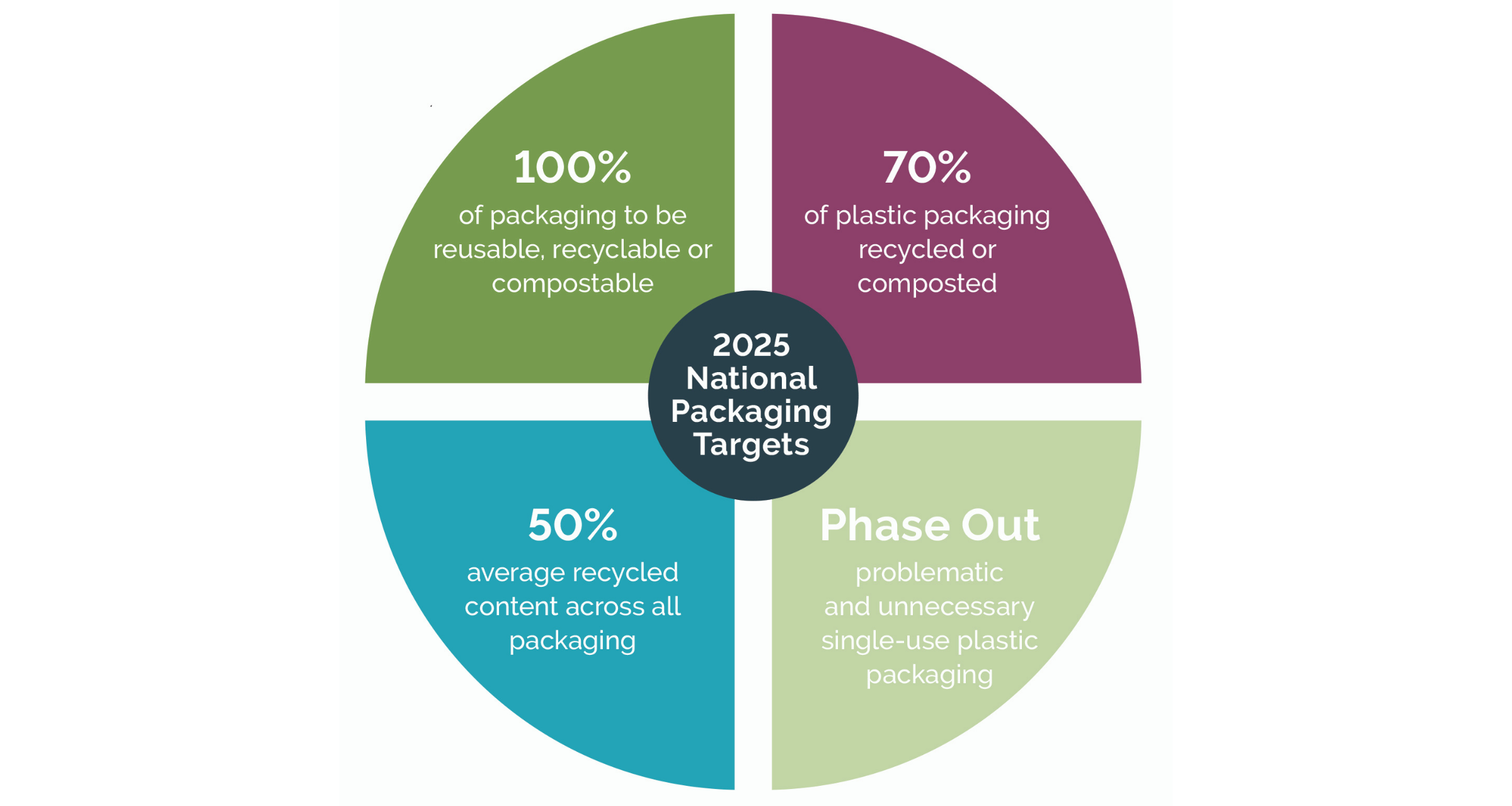
- 100% of packaging reusable, recyclable, or compostable
(~86% achieved as of 2022–23)
- 70% of plastic packaging recycled or composted
(~19% achieved — major gap)
- 50% average recycled content in packaging (plastic-specific focus)
(~44% achieved)
- Phase-out of problematic and unnecessary single-use plastics
(~40% reduction so far)
The Bigger Picture — Sustainable Packaging Guidelines Australia
This is where sustainable packaging guidelines Australia come in.
APCO isn’t just setting targets — it’s shaping how packaging decisions are made across the entire supply chain.
These targets influence things like:
- what materials you choose
- how your packaging is designed
- which suppliers you can realistically work with
So it’s not just a sustainability issue — it’s a procurement and design decision as well.
APCO Compliance — Who Actually Needs to Do What
APCO sits within Australia’s broader regulatory framework.
Businesses that are legally obligated:
– Large organisations meeting turnover thresholds
– Must:
join APCO or comply independently under national rules
Everyone else:
Even if you’re not legally obligated:
– Retailers expect alignment
– Market access increasingly depends on it
– Sustainability claims are being scrutinised
In reality, most brands are pulled into the system anyway.
This is usually the point where brands realise their packaging decisions are more connected than they thought. If you’re unsure how your current packaging stacks up against APCO targets, it’s worth reviewing it properly.
Primepac, as a member of APCO, helps break this down into practical steps — so you’re not guessing what’s compliant and what’s not.
ARL — Expected, But Not Technically Mandatory
What is the ARL ?
The Australasian Recycling Label (ARL) provides clear instructions on how each part of packaging should be disposed of.
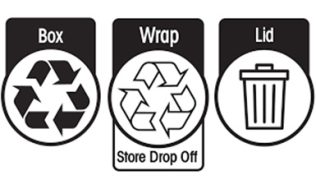
Is ARL mandatory?
No, but it is:
– expected by major retailers
– required for many private label products
– considered best practice under APCO
What ARL Actually Does
– Connects packaging design to real recycling outcomes
– Uses the PREP tool to assess recyclability
– Standardises consumer instructions across Australia
Why it matters:
It connects your packaging to actual recycling outcomes, not assumptions.
In practice, most growing brands need to align anyway.
How to Align Your Packaging with APCO as an Australian Business (Step-by-Step)
How to Align Your Packaging with APCO (Step-by-Step)
- Check Real Recyclability First
Before design is finalised:
– Can it be processed in Australia?
– Does it meet PREP tool criteria?
- Simplify Your Packaging Structure
The safest direction:
– minimal components
– easy separation
- Plan ARL Early
Don’t leave it until production.
Early ARL validation helps avoid:
– redesign costs
– compliance delays
- Improve Recycled Content (Where It Counts)
Focus on:
– PCR in bottles, jars, tubes
– balancing aesthetics vs sustainability
- Build a Reporting System
APCO alignment requires:
– tracking packaging materials
– recording volumes
– reporting annually
This is where “compliance” actually happens.
Work Towards Sustainable Packaging Guidelines Australia
The targets sit within broader sustainable packaging guidelines Australia, so think beyond recyclability:
- Can you reduce material usage?
- Can you increase recycled content?
- Are you removing problematic materials?
Build Around APCO Reporting Requirements
Compliance doesn’t stop at design.
You also need to:
- Track packaging materials and volumes
- Align with APCO reporting requirements
- Be able to show progress year-on-year
Why Working with a Packaging Expert Matters
This is where most brands accelerate — or get stuck.
A packaging expert helps you:
-select materials that actually work in Australia
-design for recyclability from the start
-align with APCO expectations
-avoid production and compliance risks
Instead of:
trial → error → redesign → delay
You get:
right structure → right material → smoother production
Primepac, as an APCO member, helps brands take a practical approach to hitting these targets — so you’re not fixing compliance issues piece by piece later on.
Materials That Actually Work in Australia’s Recycling System
Not all “eco materials” perform equally in Australia.
Generally reliable (when designed correctly):
– PET (clear bottles, rigid containers)
– HDPE (personal care, household)
– PP (limited but improving — format dependent)
– Paper & board (if not heavily laminated)
Higher-risk materials:
– Multi-layer laminates (plastic + foil)
– Mixed-material packs that can’t be separated
– Polystyrene
Material selection is where a lot of compliance issues start. If you’re not sure whether your current packaging actually works within Australian recycling systems, it’s worth checking early. Primepac works closely with APCO-aligned standards to help brands choose materials that don’t just sound sustainable — but actually meet real compliance requirements.
Material alone doesn’t determine recyclability.
It’s the combination of:
- Size (too small = not captured in sorting)
- Structure (multi-layer vs mono-material)
- Attachments (labels, adhesives, closures)
- Contamination risk
This is why packaging design for recycling is just as important as material selection.
Quick Reality Check — Are You Actually Aligned?
Use this as a practical benchmark:
– Your packaging is moving toward recyclable / reusable / compostable formats
– Materials align with Australian recycling capabilities
– ARL is applied (or in progress)
– Design follows recycling guidelines
– Problematic plastics are being phased out
– You can track and report packaging data
If not, the risk isn’t just compliance.
It’s:
– retailer rejection
– higher future costs
– forced redesign
Conclusion — The Smart Brands Are Fixing This Early
APCO alignment isn’t about perfection.
It’s about building packaging that works in the real world.
The brands that get ahead are:
– simplifying packaging early
– working with the right partners
– avoiding costly redesign cycles
For small businesses especially, the fastest way forward is not guessing.
It’s working with people who understand:
– materials
– manufacturing
– compliance
– and the gaps between them
That’s where packaging stops being a risk — and starts becoming an advantage.
If you’re thinking about making your packaging future-proof, now’s the time to look at it properly. Primepac helps brands turn compliance into something practical — not overwhelming — so you can move forward with confidence.