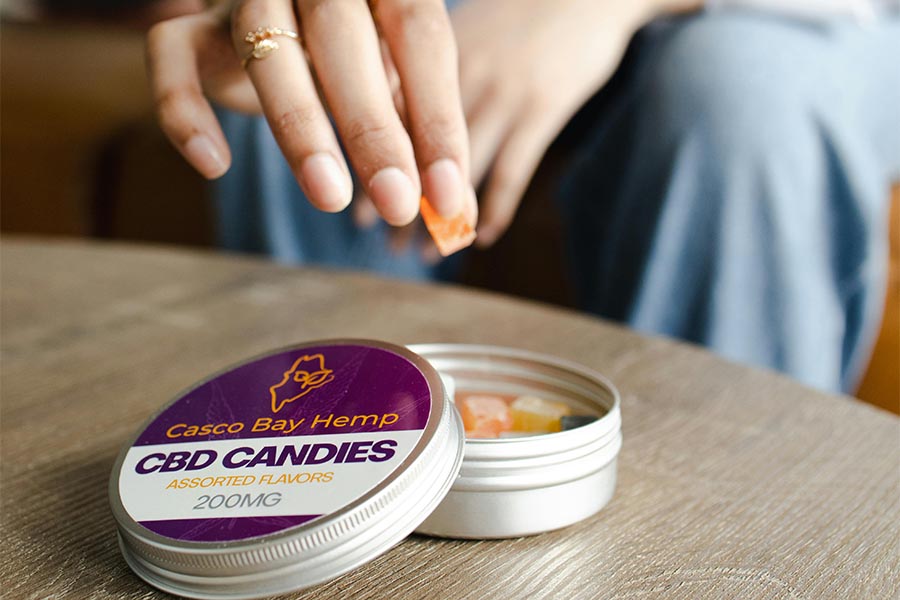
Packaging plays a crucial role in protecting products, preserving freshness, and enhancing brand appeal across industries like food, cosmetics, pharmaceuticals, and retail. With growing environmental concerns, businesses and consumers alike are seeking sustainable yet functional packaging solutions.
Among the various options available, tin packaging stands out as a durable, eco-friendly, and visually appealing choice. Known for its strength, recyclability, and ability to extend shelf life, tin packaging is widely used for food cans, luxury cosmetics, gift tins, and specialty products.
But how does it compare to other common packaging materials like plastic, glass and cardboard? In this blog, we’ll explore the pros and cons of tin packaging and see how it stacks up against alternatives—helping you make an informed decision for your packaging needs.
1. What is Tin Packaging?
Tin packaging refers to containers made primarily from tin-plated steel, offering a unique combination of strength, sustainability, and visual appeal. While often referred to as “tin,” these containers are typically made of steel with a thin tin coating to prevent rust and enhance durability.
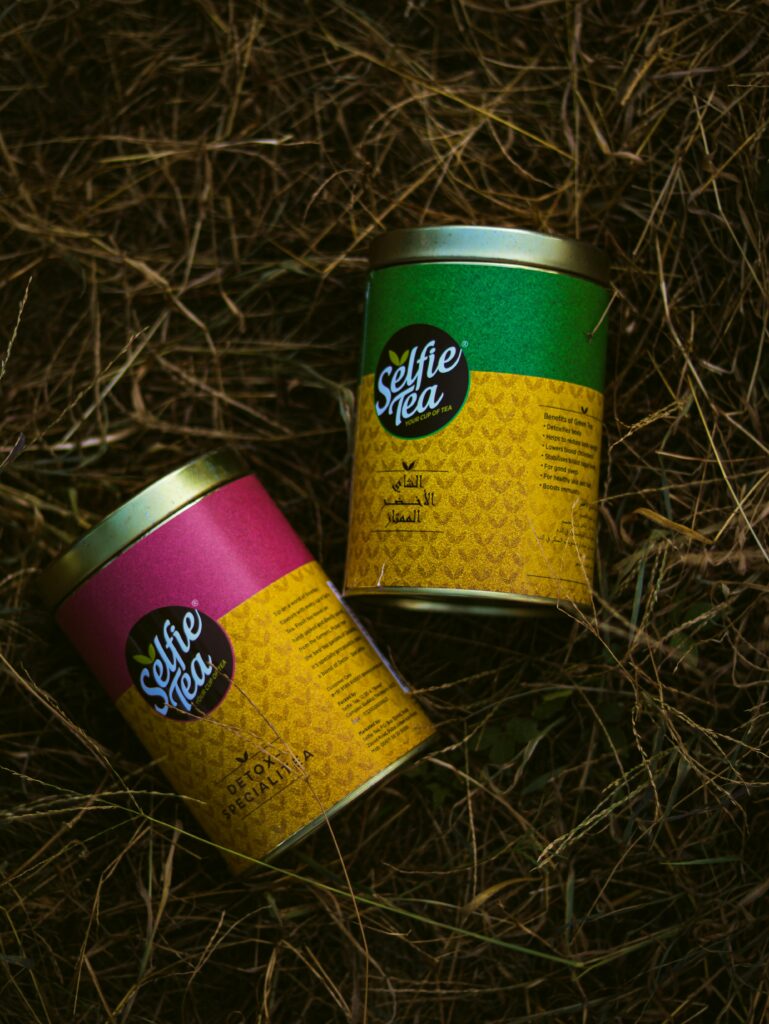
Common Uses of Tin Packaging
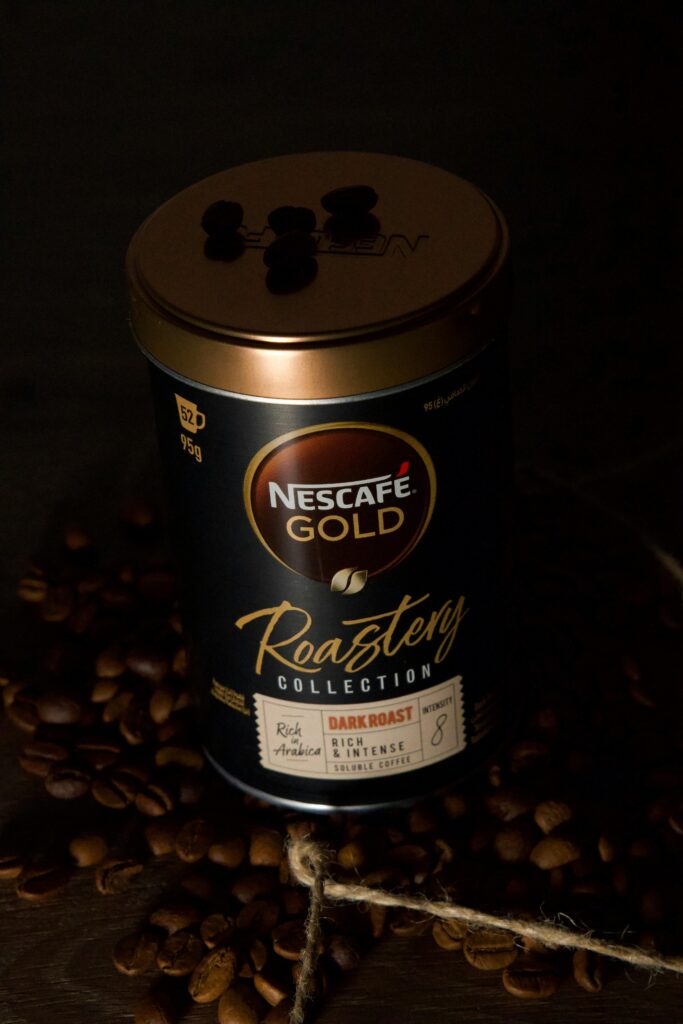
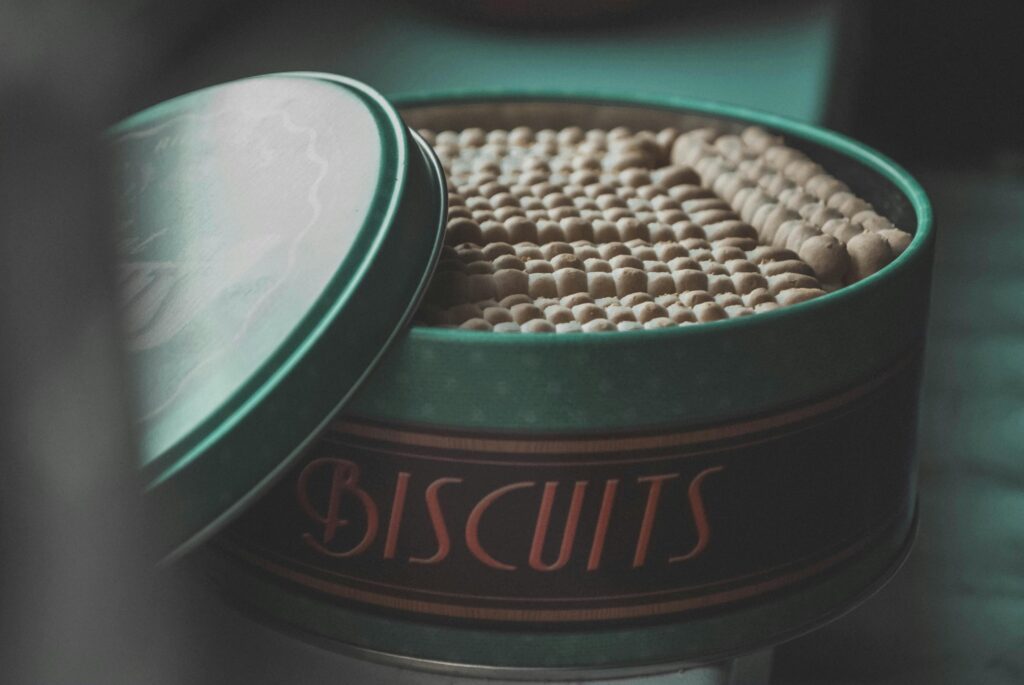
Food & Beverage: Canned goods, tea tins, biscuit containers, and spice jars.
Cosmetics & Personal Care: Luxury lip balm tins, solid perfume cases, and cream containers.
Gift & Specialty Packaging: Holiday-themed tins, collectible boxes, and promotional merchandise.
Tin packaging blends functionality with sustainability, making it a smart choice for businesses and environmentally conscious consumers.
2. Key Advantages of Tin Packaging: Why It Stands Out
Tin packaging offers numerous benefits that make it a superior choice for both businesses and eco-conscious consumers. Here’s why it continues to be a popular packaging solution:
100% Recyclable & Eco-Friendly
Tin packaging can be recycled infinitely without losing quality, reducing environmental waste.
Far more sustainable than single-use plastics, supporting circular economy practices.
Superior Durability & Protection
Airtight & moisture-resistant – Keeps food, cosmetics, and sensitive products fresh.
Lightproof & tamper-evident – Prevents spoilage and maintains product integrity.
Shock-resistant – More durable than glass or cardboard during shipping and handling.
Premium Aesthetic Appeal & Customisation
Sleek metallic finish enhances brand perception for luxury goods.
Fully customisable – Options for printing, embossing, debossing, and unique shapes.
Reusable as collectible keepsakes, increasing brand loyalty (e.g., holiday tins, limited editions).
Extends Shelf Life
Ideal for food preservation (canned goods, tea, coffee, spices).
Cost-Effective in the Long Run
Reusable nature reduces the need for frequent repurchasing.
Lower return rates due to damaged goods compared to fragile alternatives.
Higher perceived value justifies premium pricing for branded products.
Sustainable Brand Image
Appeals to eco-conscious consumers who prefer metal over plastic.
Aligns with corporate sustainability goals and green certifications.
3. Potential Drawbacks of Tin Packaging
While tin packaging offers numerous advantages, it’s important to consider its limitations to determine if it’s the right fit for your product. Here are the key challenges:
Higher Initial Cost
Usually more expensive upfront than plastic and cardboard packaging.
Tooling and setup costs for custom designs can be pricey for small businesses.
-Best for: Brands prioritising long-term durability and sustainability over short-term savings.
Limited Design Flexibility
Not ideal for complex shapes – Plastic and molded fiber offer more versatility.
Harder to modify once produced (unlike cardboard, which allows easy design tweaks).
-Solution: Focus on classic cylindrical or rectangular designs, which work well for most products.
Potential for Dents & Scratches
While durable, tin can dent during transit if not properly protected.
-Prevention: Use protective packaging inserts during shipping.
Minor Risk of Metal Interaction (for Certain Products)
Some acidic foods may react with metal over very long storage periods.
-Solution: Modern tin coatings and food-grade liners prevent this issue in most cases.
Who Might Avoid Tin Packaging?
Startups with tight budgets:
May prefer cheaper short-term options like plastic or cardboard.
Products requiring unusual shapes:
Complex designs better suited to molded plastic or folded cardboard.
Temperature-sensitive goods:
Tin conducts heat/cold, risking product integrity in extreme conditions.
High-volume disposable items:
Low-cost plastics or compostable fibers better fit slim margins.
4. Tin Packaging vs. Other Materials: Detailed Comparison
To help you choose the best packaging solution, here’s a breakdown of how tin packaging compares to plastic, glass and cardboard.
Tin vs. Plastic Packaging
| Factor | Plastic Packaging | Tin Packaging |
| Cost | Low cost, budget-friendly | Higher initial cost |
| Eco-Friendliness | Microplastic pollution | 100% recyclable, sustainable |
| Durability | Prone to cracking, less protective | Strong, resistant to moisture & air |
| Weight | Very lightweight | Heavier than plastic |
Tin vs. Glass Packaging
| Factor | Glass Packaging | Tin Packaging |
| Transparency | Clear, shows product | Opaque (unless window added) |
| Durability | Fragile, breaks easily | Durable, dent-resistant |
| Weight | Heavy, increases shipping costs | Lighter than glass |
| Recyclability | Recyclable but energy-intensive process | Easily recyclable without quality loss |
| Safety | Non-reactive, inert | May react with acidic foods (rare, if unlined) |
Tin vs. Cardboard Packaging
| Factor | Cardboard Packaging | Tin Packaging |
| Cost | Affordable | More expensive |
| Eco-Friendliness | Biodegradable, compostable | Fully recyclable, but not biodegradable |
| Moisture Resistance | Absorbs moisture, weakens | Waterproof, airtight |
| Durability | Crushes easily, short lifespan | Long-lasting, reusable |
| Customisation | Easy to print, fold, modify | Requires tooling, but high-end finishes |
5. Best Uses for Tin Packaging: Industry Applications
Tin packaging isn’t just functional—it elevates products across multiple industries with its durability, sustainability, and premium appeal. Here are the top sectors where tin packaging shines:
Food & Beverage Industry
✔ Tea & Coffee Tins – Preserves aroma and freshness; reusable for storage.
✔ Cookie & Biscuit Tins – Iconic for holiday treats (e.g., Danish butter cookies).
✔ Spices & Dry Goods – Airtight seal maintains flavor and shelf life.
✔ Canned Foods – Soups, fish, and vegetables (tin-plated steel cans).
✔ Specialty Foods – Luxury chocolates, gourmet nuts, and gift sets.
Why Tin? → Blocks light/moisture, extends freshness, and enhances perceived quality.
Cosmetics & Luxury Goods
✔ Lip Balms & Solid Perfumes – Compact, travel-friendly, and recyclable.
✔ Creams & Salves – Protects formulations from air/light degradation.
✔ Makeup Tins – Vintage-style compacts for powders and balms.
✔ Gift Sets – High-end presentation for skincare or fragrance samplers.
Why Tin? → Upscale aesthetic, customisable branding, and eco-conscious appeal.
Specialty & Promotional Products
✔ Holiday Tins – Christmas mints, advent calendars, and seasonal decor.
✔ Collectible Tins – Limited-edition designs (e.g., commemorative tea tins).
✔ Corporate Gifts – Engraved tins for clients (candies, stationery, etc.).
✔ Hobby Storage – Craft supplies, sewing kits, or artist pigments.
Why Tin? → Reusable keepsakes boost brand loyalty and marketing potential.
6. The Future of Tin Packaging in Australia
Sustainability and Regulatory Momentum
Australia’s commitment to sustainable packaging is evident through initiatives like the National Packaging Targets, aiming for 100% of packaging to be reusable, recyclable, or compostable by 2025. Tin packaging, known for its durability and recyclability, aligns well with these objectives, positioning it as a favorable alternative to single-use plastics.
Market Growth and Industry Trends
The Australian metal packaging market is projected to grow at a CAGR of 1.5% from 2025 to 2030, with tinplate steel cans being a significant component. This growth is fueled by the demand for sustainable packaging solutions and the material’s protective qualities, making it suitable for various products, including food and beverages.
Advancements in Domestic Tin Production
While Australia has not been a major global producer of tin, recent developments indicate a shift. The Australian tin market is expected to grow at a CAGR of 4.32% between 2025 and 2034, driven by increasing demand in electronics, packaging, and renewable energy sectors. Investments in advanced mining and recycling technologies are enhancing the country’s capacity to supply ethically sourced tin, supporting the growth of tin packaging.
Consumer Preferences and Brand Strategies
Consumers are increasingly valuing packaging that is both sustainable and aesthetically pleasing. Tin packaging offers a premium look and feel, which can enhance brand perception and appeal. Companies are leveraging this by adopting tin packaging to differentiate their products and meet consumer expectations for sustainability.
Conclusion: Why Tin Packaging is the Smart Choice
Recap: Key Advantages of Tin Packaging
Eco-Friendly Champion – 100% recyclable, supports circular economy goals
Superior Protection – Extends shelf life better than plastic or cardboard
Brand Elevator – Premium look that justifies higher price points
Future-Proof – Aligns with global sustainability regulations
Why Your Business Should Consider Tin
For Food Brands: Preserve quality while meeting eco-conscious demands
For Cosmetics: Create Instagram-worthy unboxing moments
For Retailers: Offer collectible packaging that drives repeat purchases
Next Steps for Sustainable Packaging
Audit your current packaging’s environmental impact
Explore custom tin options with a reliable supplier
Market your switch to eco-packaging (consumers reward sustainability!)
“The brands winning tomorrow are investing in sustainable packaging today.” Ready to make the switch? Contact packaging experts to discuss tin solutions for your product line.